

I still remember the struggle of trying to capture every word in class, only to find my notes were a jumbled mess when it came time to study. It wasn’t until I discovered effective note-taking strategies that my academic performance began to soar.
As I reflect on my own academic journey, I realize that learning how to take effective notes was a game-changer. It not only helped me stay organized but also improved my understanding and retention of the material.
By combining personal experience with analytical perspective, I aim to provide a comprehensive guide that caters to different learning styles and needs, helping you excel in your courses through better class notes.
Key Takeaways
- Understand the importance of effective note-taking for academic success
- Discover strategies for organizing and reviewing class notes
- Learn how to tailor your note-taking approach to your learning style
- Improve retention and understanding of course material
- Enhance your overall academic performance
The Importance of Effective Note-Taking
Taking effective notes is a vital component of the learning process that can greatly influence academic outcomes. As a student, having a robust note-taking strategy in place can be the difference between merely attending classes and truly grasping the material being taught.

How Good Notes Impact Academic Performance
Good notes can significantly enhance academic performance by allowing students to review and study material more efficiently. When notes are clear and well-organized, students can quickly identify key concepts and focus their study efforts on areas where they need improvement. This targeted approach to studying not only saves time but also leads to better retention of information and improved test scores.
The Science Behind Note-Taking and Memory
The process of taking notes engages the brain in active learning, enhancing memory retention. Research has shown that the act of writing down information helps to encode it in our memory more effectively than merely listening or reading passively. By understanding the science behind note-taking, students can tailor their note-taking strategies to maximize retention and recall, ultimately leading to better academic performance.
Understanding Your Learning Style
As I reflect on my own learning journey, I realize that understanding my learning style has been instrumental in improving my note-taking skills. Recognizing whether you’re a visual, auditory, or kinesthetic learner can significantly enhance your learning experience.
Visual, Auditory, and Kinesthetic Learning
There are three primary learning styles: visual, auditory, and kinesthetic. Visual learners benefit from diagrams, charts, and images to process information. Auditory learners, on the other hand, tend to learn better through listening, such as during lectures or audio recordings. Kinesthetic learners prefer hands-on experiences, like taking notes by hand or engaging in practical activities.
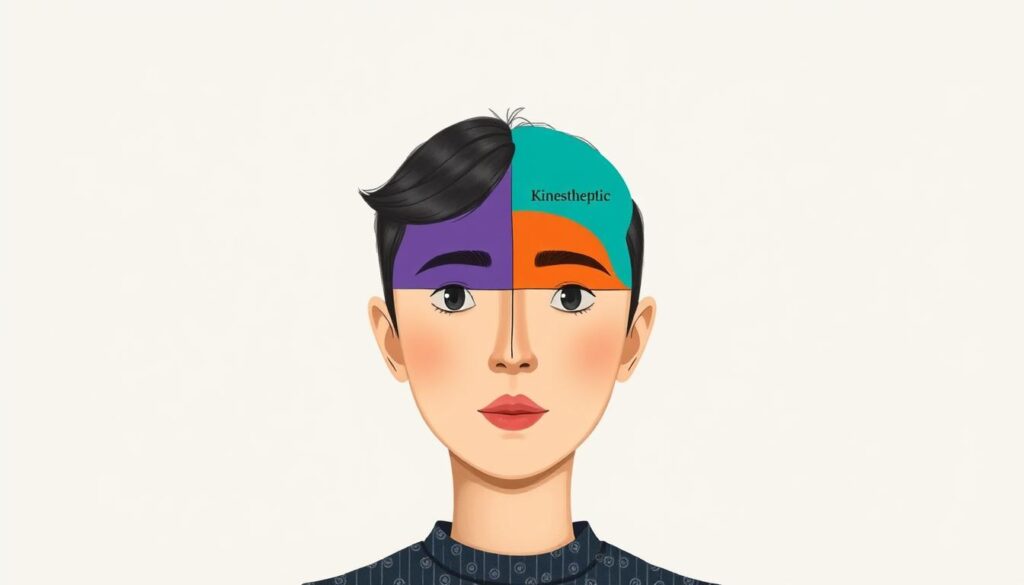
Adapting Note-Taking to Your Learning Style
Once you’ve identified your learning style, you can adapt your note-taking techniques accordingly. Here are some strategies for each learning style:
Tools for Visual Learners
Visual learners can benefit from using mind maps, charts, and diagrams to organize information.
Techniques for Auditory Learners
Auditory learners may find it helpful to record lectures or use audio recording apps to capture information.
Strategies for Kinesthetic Learners
Kinesthetic learners can improve their note-taking by taking notes by hand, using different colored pens, or incorporating hands-on activities into their study routine.
Preparing for Effective Note-Taking
To take effective notes, it’s essential to prepare beforehand by reviewing course materials, organizing your note-taking system, and selecting the right tools. As someone who has developed a keen interest in optimizing study habits, I’ve found that preparation is the cornerstone of successful note-taking.
Pre-Reading Course Materials
Pre-reading course materials is a crucial step in preparing for effective note-taking. By reviewing the materials before class, you can familiarize yourself with the topics that will be covered, allowing you to focus on capturing key information during the lecture. This step helps in reducing cognitive overload and enables you to engage more actively with the material.
Setting Up Your Note-Taking System
Setting up a consistent note-taking system is vital for organizing the information you gather. Whether you prefer a digital or physical system, having a structured format helps in categorizing and reviewing your notes efficiently. I personally prefer a hybrid approach, combining the benefits of both digital and physical note-taking methods.
| Note-Taking System | Advantages | Disadvantages |
|---|---|---|
| Digital | Ease of access, organization, and search functionality | Dependence on technology, potential distractions |
| Physical | Tactile experience, better retention, no dependency on technology | Space-consuming, harder to search and organize |
Gathering the Right Tools
Gathering the right tools is the final step in preparing for effective note-taking. The tools you choose depend on your preferred note-taking method.
Essential Supplies for Physical Notes
For physical note-taking, essential supplies include high-quality notebooks, a set of colored pens, and highlighters. These tools help in making your notes more engaging and organized.
Setting Up Digital Note-Taking Tools
For digital note-taking, you’ll need a reliable note-taking app and a device to use it on. Popular options include Evernote, OneNote, and Notion, each offering unique features that can enhance your note-taking experience.
Popular Note-Taking Methods
There are several popular note-taking methods that can enhance your study routine. As someone who has experimented with various techniques, I’ve found that each method has its unique benefits.
The Cornell Method
The Cornell Method is a widely used technique that involves dividing your paper into sections for notes, summaries, and review. This method helps in organizing information and reviewing material efficiently.
Setting Up Cornell Notes
To set up Cornell Notes, divide your paper into two columns, with the narrower column on the left for keywords and summaries, and the wider column on the right for notes.
Using the Cornell System Effectively
Use the Cornell System effectively by reviewing your notes within 24 hours, summarizing the main ideas, and using the left column to quiz yourself.
Sample Cornell Notes
A sample Cornell Notes layout includes a summary section at the bottom, a cue column on the left, and a notes section on the right.
Mind Mapping
Mind mapping is a visual technique that uses diagrams to connect ideas. It’s particularly useful for brainstorming and seeing the relationships between different concepts.
Outline Method
The outline method organizes information in a hierarchical structure, making it easier to review and understand complex information.
Charting Method
The charting method uses charts to categorize information, which is helpful for comparing and contrasting different ideas or data.
| Method | Description | Usefulness |
|---|---|---|
| Cornell Method | Divides paper into sections for notes and summaries | Highly effective for organizing and reviewing |
| Mind Mapping | Visual technique for connecting ideas | Excellent for brainstorming and idea generation |
| Outline Method | Organizes information hierarchically | Very useful for structuring complex information |
| Charting Method | Uses charts to categorize information | Helpful for comparing and contrasting data |
By understanding and applying these popular note-taking methods, you can significantly improve your learning and retention. Experimenting with different techniques will help you identify what works best for your learning style.
How to Take Notes for Class Effectively
As I reflect on my own note-taking experiences, I’ve learned that being adaptable and attentive is crucial in capturing valuable information. Effective note-taking is not just about writing down everything the instructor says; it’s about capturing the essence of the lesson.
Active Listening Techniques
Active listening is the foundation of effective note-taking. It involves fully concentrating on what the instructor is saying, understanding the context, and identifying the key points. To practice active listening, I focus on maintaining eye contact with the instructor, avoiding distractions, and asking clarifying questions when needed.
Identifying Key Information
Identifying key information is critical in note-taking. Instructors often provide cues, such as repetition or emphasis, to highlight important points. I also look out for headings, subheadings, and bullet points, which can help organize the information.
Using Abbreviations and Symbols
Using abbreviations and symbols can speed up the note-taking process and make it more efficient. I use standard abbreviations, such as “w/” for “with” and “b/c” for “because,” and create my own symbols, like “*” for important points.
Adapting to Different Class Formats
Different class formats require different note-taking strategies. Whether it’s a lecture, discussion, or lab, being adaptable is key.
Note-Taking in Lectures
In lectures, I focus on capturing the main ideas and supporting details.
Note-Taking in Discussions
In discussions, I take notes on the key points raised by the group and any insights or observations that stand out.
Note-Taking in Labs
In labs, I record observations, note any challenges or issues, and document the results of experiments.
| Class Format | Note-Taking Strategies |
|---|---|
| Lectures | Focus on main ideas, capture supporting details |
| Discussions | Record key points, insights, and observations |
| Labs | Document observations, challenges, and results |
Subject-Specific Note-Taking Strategies
I’ve found that adapting note-taking strategies to the specific demands of each subject is crucial for academic success. Different subjects require unique approaches to capture the most important information effectively.
Taking Notes for Math and Science Classes
For math and science classes, it’s essential to focus on capturing formulas, equations, and problem-solving steps. Using a structured format can help in organizing these notes. For instance, breaking down complex problems into simpler, manageable steps can aid in understanding and reviewing the material.
Note-Taking for Humanities and Social Sciences
In humanities and social sciences, the emphasis is on key concepts, dates, and critical analysis. Creating concept maps or timelines can be particularly useful in these subjects. It’s also beneficial to note down different perspectives and analyses presented in class.
Note-Taking for Language Classes
For language classes, noting grammar rules, vocabulary, and examples is vital. Organizing vocabulary by themes or creating flashcards can aid in memorization. Additionally, paying attention to examples and exceptions in grammar can help in mastering the language.
| Subject | Key Focus | Useful Techniques |
|---|---|---|
| Math & Science | Formulas, Equations, Problem-Solving Steps | Structured formatting, Step-by-step breakdown |
| Humanities & Social Sciences | Key Concepts, Dates, Critical Analysis | Concept maps, Timelines, Note-taking different perspectives |
| Language Classes | Grammar Rules, Vocabulary, Examples | Thematic vocabulary organization, Flashcards, Noting exceptions |
Digital vs. Physical Note-Taking
In the quest for effective note-taking, students often find themselves torn between the convenience of digital tools and the tactile nature of physical notes. Both methods have their unique advantages and disadvantages, which are crucial to understand for making an informed decision.
Pros and Cons of Digital Notes
Digital notes offer several benefits, including ease of access, organization, and the ability to review them anywhere, anytime. However, they can also be distracting, with notifications and the temptation to multitask being significant drawbacks.
Best Practices for Digital Note-Taking
To maximize the benefits of digital note-taking, it’s essential to use tools that help you stay organized, such as note-taking apps with tagging and search functions. Consistency is key; establishing a routine can help in maintaining effective digital notes.
Avoiding Digital Distractions
Minimizing distractions while taking digital notes is crucial. This can be achieved by turning off notifications and using apps that help you stay focused. Creating a conducive study environment also plays a significant role.
Backing Up Your Digital Notes
Regularly backing up your digital notes is vital to prevent loss. Using cloud storage services can ensure that your notes are safe and accessible across different devices.
Pros and Cons of Handwritten Notes
Handwritten notes, on the other hand, have been shown to improve retention and understanding of material. They allow for a more personal and engaging interaction with the content. However, they can be cumbersome to review and organize.
For those who prefer handwritten notes, improving handwriting can make a significant difference. Practicing regularly and using guides can help in achieving clearer handwriting.
Organization Systems for Paper Notes
Developing an organization system for paper notes, such as using binders or folders, can make reviewing them more efficient. Color-coding is another effective method to categorize notes.
Converting Handwritten Notes to Digital Format
For those who wish to combine the benefits of both methods, converting handwritten notes to digital format is an option. This can be done using scanning apps, allowing for easier review and storage.
Organizing and Reviewing Your Notes
Organizing and reviewing your notes is a vital part of the learning process that can significantly impact your academic performance. As I reflect on my own note-taking journey, I realize that the effort I put into organizing and reviewing my notes has been instrumental in my understanding and retention of the material.
Post-Class Note Organization
After class, it’s essential to dedicate a few minutes to organizing your notes. This involves reviewing your notes for clarity, filling in any gaps, and ensuring they are legible. I make it a habit to reorganize my notes within 24 hours of class, while the information is still fresh in my mind.
Effective post-class note organization also involves creating a system for categorizing and storing your notes. This could be digital folders on your computer or physical binders, depending on your preference. The key is to have a system that allows you to quickly locate specific notes when needed.
Effective Review Strategies
Reviewing your notes regularly is crucial for reinforcing your understanding and retaining information. One effective strategy is to review your notes within a day or two of taking them, and then again a week later. This spaced repetition helps solidify the information in your long-term memory.
Another strategy is to use active recall techniques, such as summarizing your notes in your own words or creating concept maps. These activities help you engage more deeply with the material and identify areas where you need more practice or review.
Using Notes for Test Preparation
When it comes to test preparation, your notes can be a valuable resource. I like to create a study guide by condensing my notes into key points and concepts. This helps me focus on the most critical information and ensures I’m well-prepared for the test.
Collaborative Note-Taking and Study Groups
Collaborative note-taking and study groups offer another layer of benefit. By comparing notes with classmates, you can fill in gaps, clarify misunderstandings, and gain new insights. I have found that participating in study groups not only enhances my understanding but also provides an opportunity to learn from others.
| Review Strategy | Description | Benefits |
|---|---|---|
| Spaced Repetition | Review notes at increasingly longer intervals | Improves long-term retention |
| Active Recall | Summarize notes or create concept maps | Enhances understanding and identifies knowledge gaps |
| Collaborative Review | Compare notes with classmates | Fills gaps, clarifies misunderstandings, and provides new insights |
Common Note-Taking Mistakes to Avoid
As I reflect on my own note-taking journey, I’ve identified several pitfalls that can significantly impact its effectiveness. Being aware of these common note-taking mistakes can help in developing more effective strategies.
Trying to Write Everything Down
One of the most significant mistakes is attempting to capture every word spoken in class. This approach can lead to information overload, causing you to miss out on understanding and processing the material. Instead, focus on identifying key concepts and phrases.
Not Reviewing Notes Regularly
Another critical error is not reviewing your notes regularly. Reviewing notes within 24 hours of taking them can significantly enhance retention and understanding. Regular review helps to reinforce learning and fill in any gaps in your notes.
Using a One-Size-Fits-All Approach
Different subjects and classes often require different note-taking strategies. Using a single method for all your classes can be ineffective. For instance, math and science classes may require more visual and formula-based notes, while humanities classes might benefit from more detailed, written notes.
By being aware of these common note-taking mistakes, you can adapt your strategies to better suit your learning needs, ultimately enhancing your academic performance.
Conclusion
Developing the skill of effective note-taking is crucial for achieving academic success. By understanding your learning style and adapting note-taking strategies accordingly, you can significantly improve your ability to capture and retain information.
As discussed, various note-taking methods such as the Cornell Method, Mind Mapping, and Outline Method can be employed to suit different learning needs. The key is to experiment and find what works best for you.
Effective note-taking is not just about recording information; it’s about engaging with the material, identifying key concepts, and reinforcing your understanding. By practicing and refining your note-taking skills, you can enhance your academic performance and achieve your goals.
In conclusion, mastering effective note-taking requires patience, persistence, and practice. By applying the strategies outlined in this article, you can take a significant step towards improving your academic outcomes and developing a valuable skill for future success.