The first time I saw a ten‑year‑old novel sell out overnight because of one TikTok video, I felt two things at once. Mild panic for the inventory team, and quiet awe at the sheer force of reader-to-reader influence.
If you work in publishing or write books for a living, you have probably felt that whiplash too. A title that has flatlined for years is suddenly on every bookstore table, on every “crying over this” video, in every group chat. Frontlist plans pause. Reprint meetings get urgent.
That is the story of TikTok backlist books. Not a trend on the side, but a growing pattern that bends catalog strategy, art direction, and even how we talk about the long tail of sales.
This is not about chasing every hashtag. It is about understanding how readers are re-writing the life cycle of a book, and how we can respond with some calm and a decent spreadsheet.
What TikTok Has Actually Done To Backlist Books
Backlist has always paid the bills, but TikTok changed the curve.
In 2022, about 70% of books sold were backlist titles, which marked a 68% jump from the year before. That shift lines up with the rise of #BookTok, where readers pushed older titles like The Song of Achilles and A Court of Thorns and Roses back into the spotlight.
By 2024, TikTok-linked titles drove roughly 59 million print book sales and more than $760 million in U.S. revenue. The hashtag #BookTok hit hundreds of billions of views, and by 2025 creators had posted more than 50 million videos that touched everything from dark romance to quiet literary fiction.
The pattern is clear. When TikTok picks up a book, it does not care if the title is a 2024 release or a 2011 paperback with tired cover art. Age matters less than emotional impact, genre expectations, and how easy it is to capture the feeling of the book in under 30 seconds.
From 30 Seconds To Sellout: How A Viral TikTok Becomes A Sales Spike
On the surface, a viral BookTok looks simple. A crying reader, a quote overlay, a stack of books on a bed. Underneath, there is a chain that moves very fast.
The path often looks like this:
- A creator posts a short, emotional reaction to a book.
- Other readers stitch, duet, or recreate the moment.
- The TikTok algorithm notices strong completion rates and repeats.
- Viewers save the video, add the book to carts or wishlists, and talk about it in comments.
- Online charts react first, then physical stores, then reprint orders and rights conversations.
We saw this play out with The Song of Achilles. That book came out in 2011, then spent years at a reasonable but quiet level. Once TikTok embraced it as the go-to “this ruined me” queer tragedy, it re-entered bestseller lists, gained fresh print runs, and reached a new generation that had not been around for its original launch.
The same pattern showed up with A Court of Thorns and Roses. TikTok did not just boost one title. It revived an entire series, turned it into a starter kit for romantasy, and helped move millions of copies in 2023 and 2024. Box sets, special editions, and sprayed edges followed.
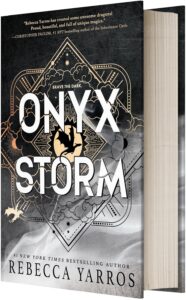
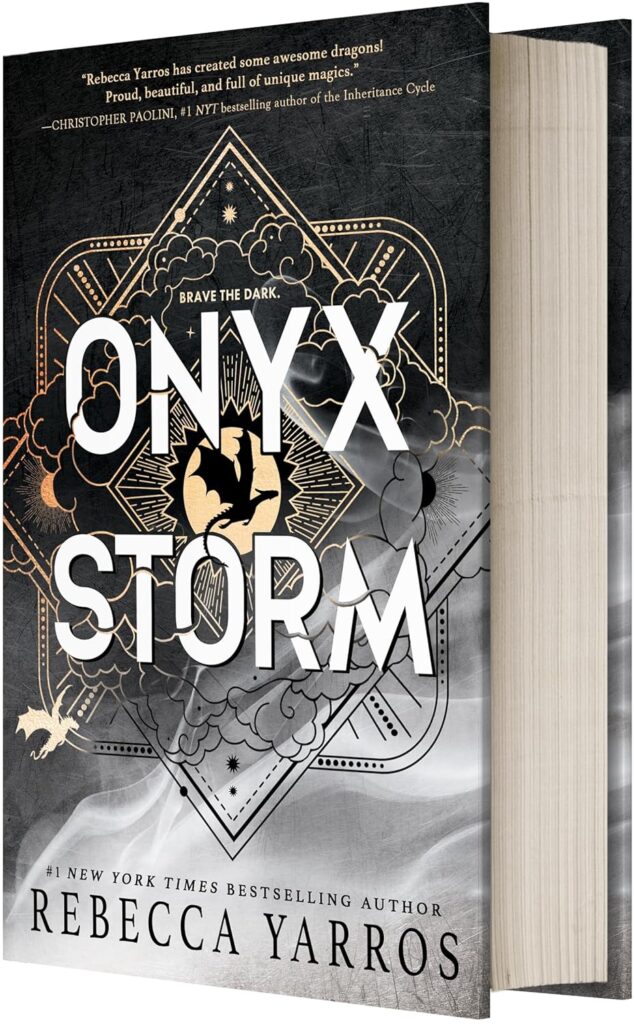
TikTok has helped newer but still backlist-ish titles as well. Fourth Wing, which released in 2023, kept climbing in 2024 and 2025 as readers clipped dragon scenes, annotated margins, and posted reading vlogs. The surge did not stop there. Interest spilled over into later books in the series, and even into related titles. If you want a closer look at how that universe is landing with readers, this Onyx Storm by Rebecca Yarros full review gives a good on-the-ground view.
On the indie and small-press side, For Whom the Belle Tolls reportedly sold around 40,000 copies in its first month once TikTok caught on, after sitting in relative quiet. That kind of jump can move a book from obscure to auction territory.
In romance and dark fantasy, books like Wildfire and Divine Rivals followed similar curves. They did fine at launch, then TikTok picked a few scenes, a line of dialogue, a trope. The clips spread, and the sales graph curved upward again.
How Publishers Are Repackaging The Backlist For TikTok
Once a sleeping title wakes up, the industry response has become fairly repeatable.
First comes the emergency reprint, often with very little time to rethink the package. After that, the second wave starts, which is where strategy kicks in.
I keep seeing three main moves:
1. Visual resets
TikTok is a visual-first space, so publishers reset covers to match what is already working on feeds.
- New jackets that highlight tropes, not blurbs, for fantasy and romance.
- “Discreet” romance covers for readers who want something subtler on display.
- Sprayed edges and special foils that look good in a stack shot.
Older books like Uglies gained fresh editions that lean into dystopian nostalgia, while TikTok favorites in fantasy and romance get box sets that photograph well and invite unboxing content.
A moody, atmospheric approach is not limited to fantasy. That same logic shapes how mystery and literary titles are framed. You can see pieces of this kind of positioning in the tone and themes discussed in this Middletide book review, which sits close to the sort of dark, coastal vibe BookTok often loves.
2. New formats and special editions
Once demand holds for a few months, format strategy follows.
- Hardcovers for previously paperback-only titles.
- Deluxe editions with bonus epilogues or fan art.
- New audiobooks with well-known narrators.
The Divine Rivals series is a good example here. Viral clips brought fresh attention, then collectors and romantasy fans asked for prettier, longer-lasting formats. Supply adjusted.
3. TikTok-friendly marketing assets
Even when creators are doing most of the advocacy, publishers now meet them halfway.
Short trailers cut to big emotional beats, point-of-view videos from the main character, and simple author reactions to fan posts all show up once a backlist title starts to trend. The most effective ones feel low-friction rather than scripted, and invite readers into the ongoing story around the book.
A Simple Backlist Audit For TikTok Potential
Not every backlist title is built for TikTok, and that is fine. Still, a quick audit can show where to place your energy.
For each book, ask:
- Is there a clear emotional promise? Grief, rage, comfort, chaos, slow-burn love.
- Can readers show that feeling in one short clip? A quote, a reaction, a set of annotated pages.
- Does it sit in TikTok-friendly genres? Romance, fantasy, dark academia, thriller, or coming-of-age.
- Is the current cover helping or hiding it? Could a new look make it more shareable?
- Is the author willing to show up on camera at least a little?
If a title scores high on those points, it is a good candidate for extra support when a creator first posts about it.
When TikTok Hype Meets Its Limits
It is easy to treat TikTok as a magic button. It is not.
Many books go mildly viral for a week, then drift back to normal. Some titles gain wild engagement but slow conversion, especially if they are hard to find in stores or only in one format. Genres like narrative nonfiction and serious history still lean harder on podcasts, reviews, and media coverage.
There is also the larger question of platform risk. TikTok faces political and regulatory pressure in several markets. Even if the app stays, algorithm shifts can change what shows up on feeds, which means today’s favorite subgenre might cool off fast.
For publishers and authors, the safer plan is simple. Treat TikTok as a powerful amplifier, not the only microphone.
Practical Next Steps For Authors And Publishers
So what do you actually do on Monday morning with all of this?
For publishers and marketers:
- Pick 10 to 20 priority backlist titles per year and prepare fast-react packages, like updated metadata, quick graphic templates, and clear print-on-demand or reprint paths.
- Keep one person in the team watching key TikTok tags weekly, not to chase every mention, but to spot real momentum early.
- Give sales teams a simple one-pager when a title surges, so they can talk to accounts with confidence and data.
For authors:
- Choose one or two backlist books you still believe in, then create a handful of simple TikToks around them; short readings, “if you like X, this book gives you Y,” or quiet shots of your own copy.
- Make it easy for readers to clip your work by sharing lines, tropes, and content warnings clearly in captions.
- When a reader’s video about your book starts to move, comment, share, and thank them; keep the momentum human, not corporate.
Beyond TikTok, keep building the slow, steady channels that still sell books. Email lists, bookseller relationships, indie store events, and search-friendly articles all add a layer of stability that no algorithm can hand you.
Closing Thoughts: Letting Old Stories Breathe Again
When I watch a 15-year-old paperback climb back to the top of the charts because a teenager filmed themselves sobbing in a bedroom, I feel oddly hopeful. Readers are telling us, very directly, that stories do not expire on a two-year schedule.
TikTok backlist books are a reminder that our catalogs are not graveyards, they are seed banks. Some titles just needed a different kind of light, a new cover, a better line for the jacket copy, or a reader brave enough to cry on camera.
If we listen carefully, measure honestly, and keep our strategies broad, we can let those old favorites breathe again without betting everything on a single platform. The work is slower than a viral spike and far less glamorous, but it keeps the shelves alive long after the trend has scrolled on.