
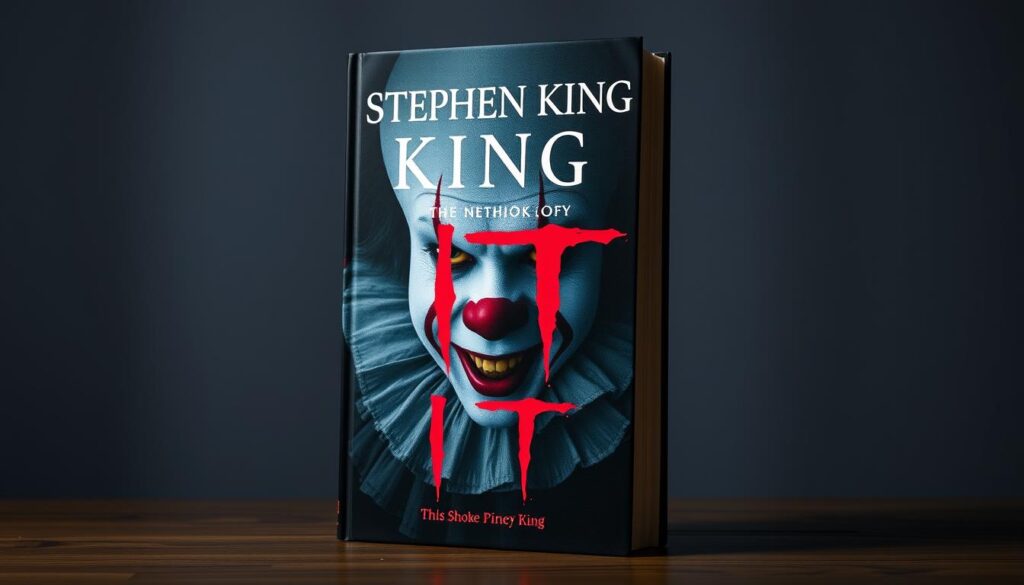
Few novels have left such an indelible mark on the horror genre as Stephen King’s monumental work, IT. Published in 1986, this sprawling 1,100+ page epic weaves together childhood trauma, supernatural terror, and the power of friendship into a tapestry that has haunted readers for generations. The story of seven outcasts confronting an ancient evil in the small town of Derry, Maine has transcended literature to become a cultural touchstone, spawning successful film adaptations and cementing the image of Pennywise the Dancing Clown in our collective nightmares. In this comprehensive review, we’ll explore what makes IT such an enduring masterpiece, examining its complex themes, unforgettable characters, and lasting impact on the horror landscape.
The iconic cover of Stephen King’s IT featuring the menacing Pennywise
The Story of IT: A Tale of Terror in Two Timelines
At its core, IT tells the story of seven children who call themselves “The Losers’ Club” as they confront an ancient, shape-shifting entity that emerges every 27 years to prey on the children of Derry, Maine. The narrative unfolds across two intertwined timelines – the summer of 1958 when the protagonists first encounter the creature as children, and 1985 when they reunite as adults to fulfill their blood oath to return if IT ever resurfaces.

The fictional town of Derry, Maine serves as the perfect backdrop for King’s tale of terror
The story begins with the brutal murder of six-year-old Georgie Denbrough, who encounters Pennywise the Clown while chasing a paper boat down a storm drain. This tragedy brings together seven children who have each had their own terrifying encounters with IT: Bill Denbrough (Georgie’s stuttering older brother), Ben Hanscom (an overweight new kid), Beverly Marsh (the group’s only girl, dealing with an abusive father), Richie Tozier (the group’s comedian), Eddie Kaspbrak (a hypochondriac with an overprotective mother), Stan Uris (a pragmatic Jewish boy), and Mike Hanlon (an African American boy who faces racial prejudice).
United by their outsider status and their shared experiences with IT, the Losers’ Club ventures into the sewers beneath Derry to confront the monster. They discover that IT feeds on fear and can manifest as whatever terrifies its victims most – though it primarily appears as Pennywise the Dancing Clown. After seemingly defeating IT, they make a blood oath to return should the creature ever resurface.

The iconic paper boat scene that sets the terrifying events of IT in motion
Twenty-seven years later, when children again begin disappearing in Derry, Mike Hanlon (the only Loser who remained in town) calls his childhood friends back to fulfill their promise. Now successful adults who have largely forgotten their childhood experiences, they must recover their memories and confront their deepest fears once more to defeat IT permanently.
“The terror, which would not end for another twenty-eight years – if it ever did end – began, so far as I know or can tell, with a boat made from a sheet of newspaper floating down a gutter swollen with rain.”
Exploring the Depths: Key Themes in IT by Stephen King

The power and magic of childhood is a central theme throughout IT
The Power and Loss of Childhood
Perhaps the most poignant theme in IT is King’s exploration of childhood and its inevitable loss. Throughout the novel, King suggests that children possess a special kind of power and perception that adults lose as they grow older. The Losers are able to see and fight IT precisely because they haven’t yet been fully indoctrinated into the adult world of denial and willful blindness. As King writes, “The magic eye of childhood is forever dimming, and what we saw so clearly as children eventually becomes invisible to our adult selves.”
This theme is reinforced when the adult Losers return to Derry and struggle to remember their childhood experiences. It’s only by reconnecting with their younger selves – by reclaiming that childhood magic – that they can hope to defeat IT again. The novel suggests that growing up inevitably means losing something precious, but also that we can reclaim aspects of our childhood selves when we need them most.
The Cyclical Nature of Evil
IT emerges every 27 years to feed, creating a cycle of violence and terror that has shaped Derry’s entire history. This cyclical pattern extends beyond the monster itself to include human evils like racism, homophobia, and domestic abuse, which resurface generation after generation. King suggests that evil, both supernatural and human, operates in cycles that are difficult but not impossible to break.

The sewers beneath Derry symbolize the dark undercurrent of evil that runs through the town
Fear and Its Power
IT feeds on fear, and much of the novel explores how fear can paralyze and control us. Each member of the Losers’ Club must confront their personal fears to defeat the monster. King masterfully depicts how childhood fears evolve into adult anxieties, and how facing our fears – rather than denying them – is the only way to overcome them. As the novel progresses, we learn that IT’s greatest weapon is not its physical strength but its ability to manipulate fear itself.
The Power of Memory and Forgetting
Memory plays a crucial role in IT. When the Losers leave Derry, they begin to forget their experiences, as if the town itself casts a spell of amnesia. This forgetting serves as both protection and weakness – it allows them to build new lives but leaves them vulnerable when IT returns. The novel suggests that painful memories, while difficult to bear, are essential to our identity and our ability to confront evil.
“Maybe there aren’t any such things as good friends or bad friends – maybe there are just friends, people who stand by you when you’re hurt and who help you feel not so lonely. Maybe they’re always worth being scared for, and hoping for, and living for. Maybe worth dying for too, if that’s what has to be. No good friends. No bad friends. Only people you want, need to be with; people who build their houses in your heart.”
The Strength of Unity and Friendship
Perhaps the most uplifting theme in this dark novel is the power of friendship. The Losers’ Club succeeds where individuals fail because they stand together. Their bond transcends time and distance, bringing them back together when needed. King portrays friendship as a sacred force capable of defeating even the most ancient evil, suggesting that our connections to others are our greatest strength in facing life’s horrors.

The strength of the Losers’ Club lies in their unity and friendship
The Unforgettable Characters of IT by Stephen King
The Losers’ Club
King’s greatest achievement in IT may be his creation of seven distinct, fully realized characters who feel authentic both as children and adults. Each member of the Losers’ Club is meticulously developed, with personal struggles that mirror the larger themes of the novel.
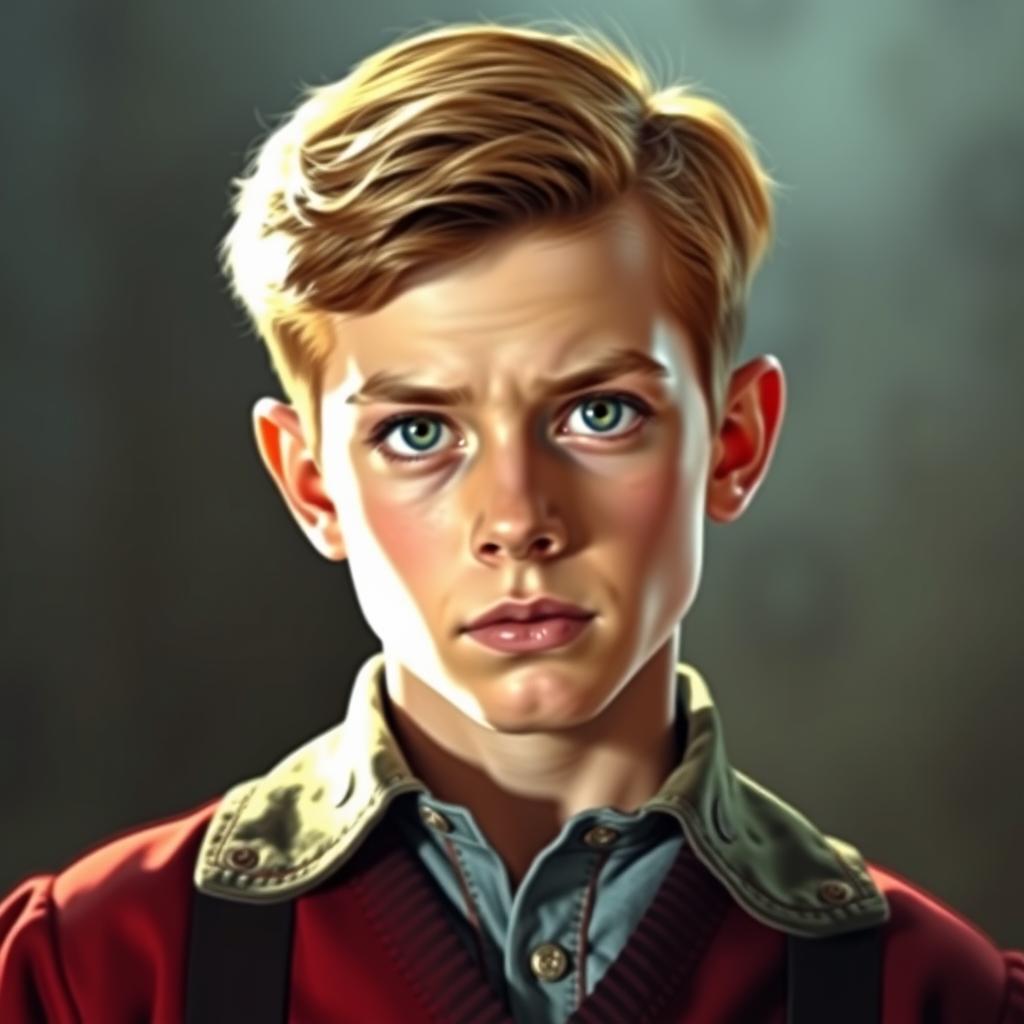
Bill Denbrough
The leader of the Losers’ Club, Bill is driven by grief over his brother Georgie’s death and guilt for sending him out alone on the rainy day he was killed. His stutter symbolizes his emotional trauma, but his determination and courage make him the natural leader of the group. As an adult, Bill becomes a successful horror novelist, suggesting that he has channeled his childhood trauma into creative expression.
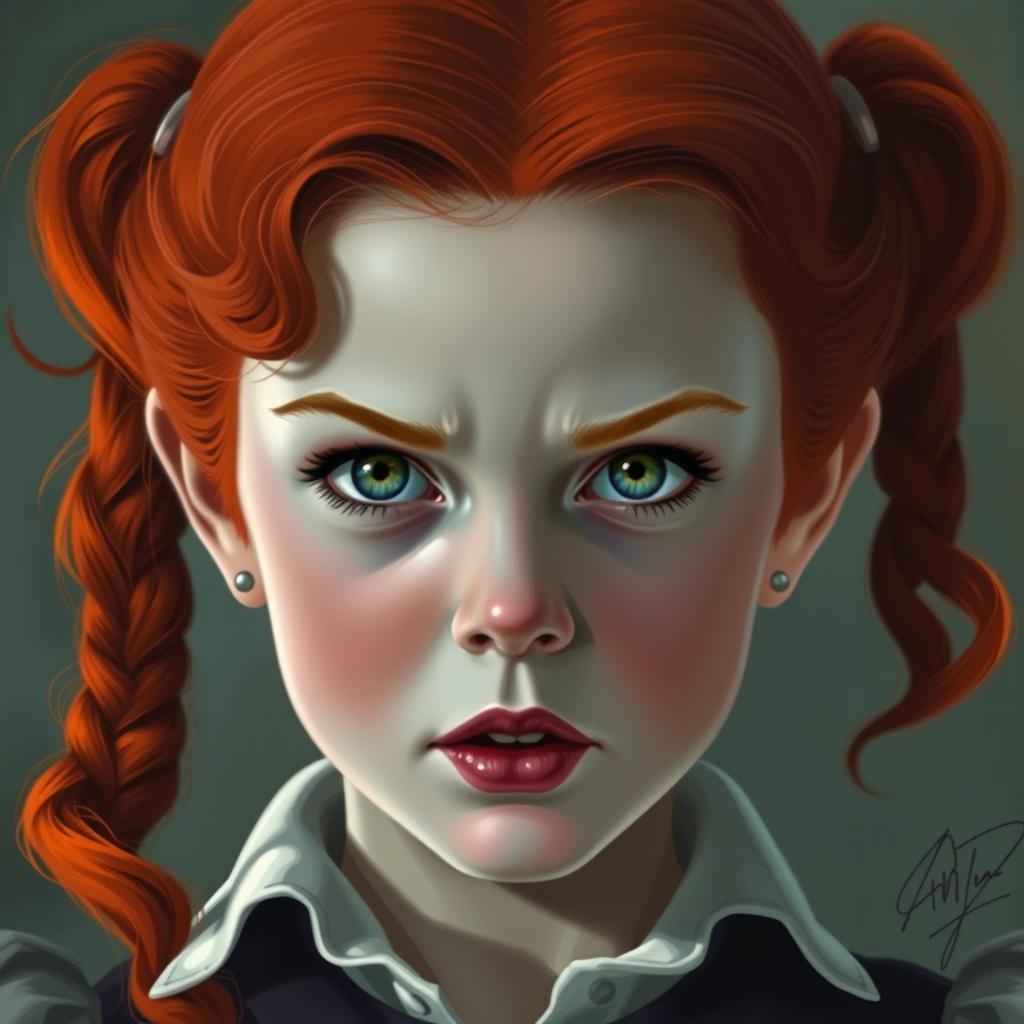
Beverly Marsh
The only girl in the group, Beverly faces domestic abuse from her father and later marries an equally abusive man, showing the cyclical nature of trauma. Her journey involves breaking free from these patterns of abuse and reclaiming her power. Beverly’s character explores themes of gender, sexuality, and the particular horrors faced by women in a patriarchal society.
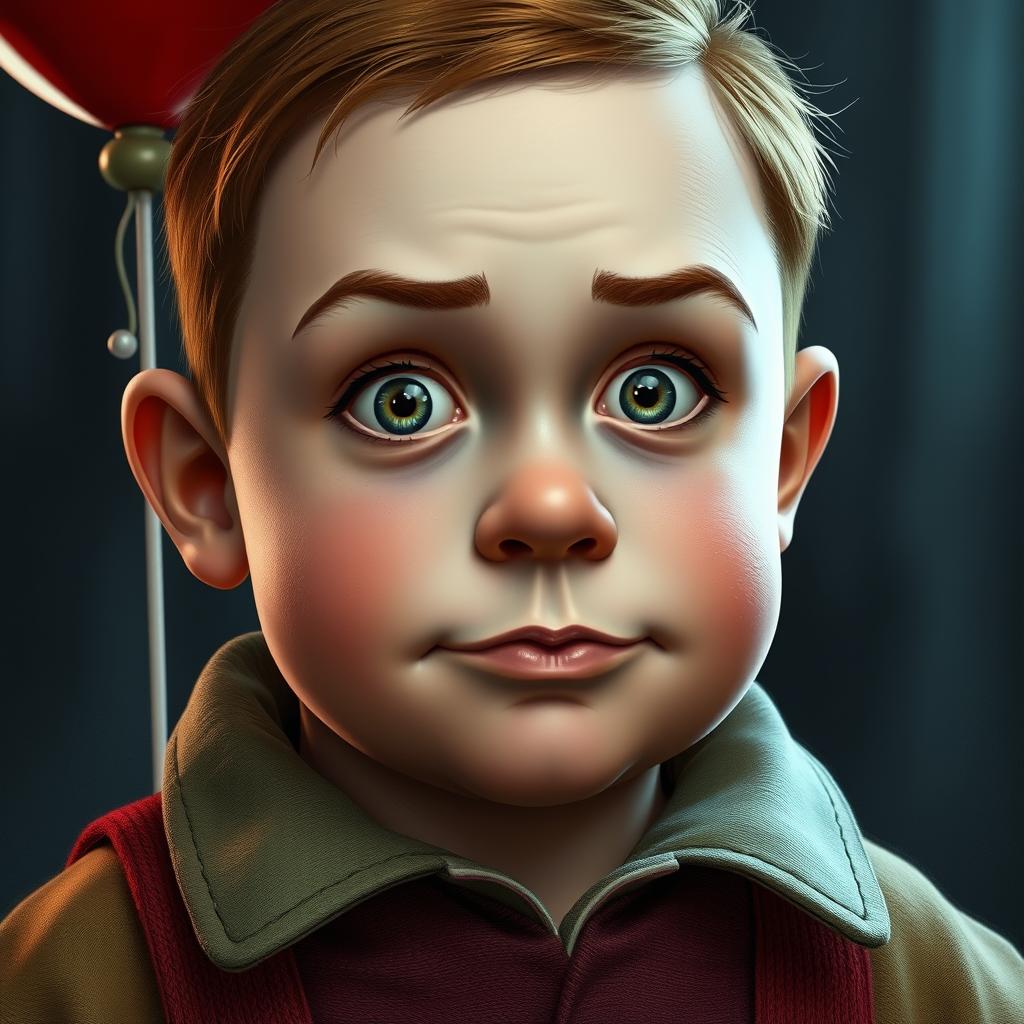
Ben Hanscom
Overweight and new to Derry, Ben faces bullying but finds acceptance among the Losers. His unrequited love for Beverly adds emotional depth to his character. Ben’s transformation from an overweight child to a successful, fit adult architect symbolizes his ability to rebuild himself, just as he helps rebuild Derry after IT’s defeat.
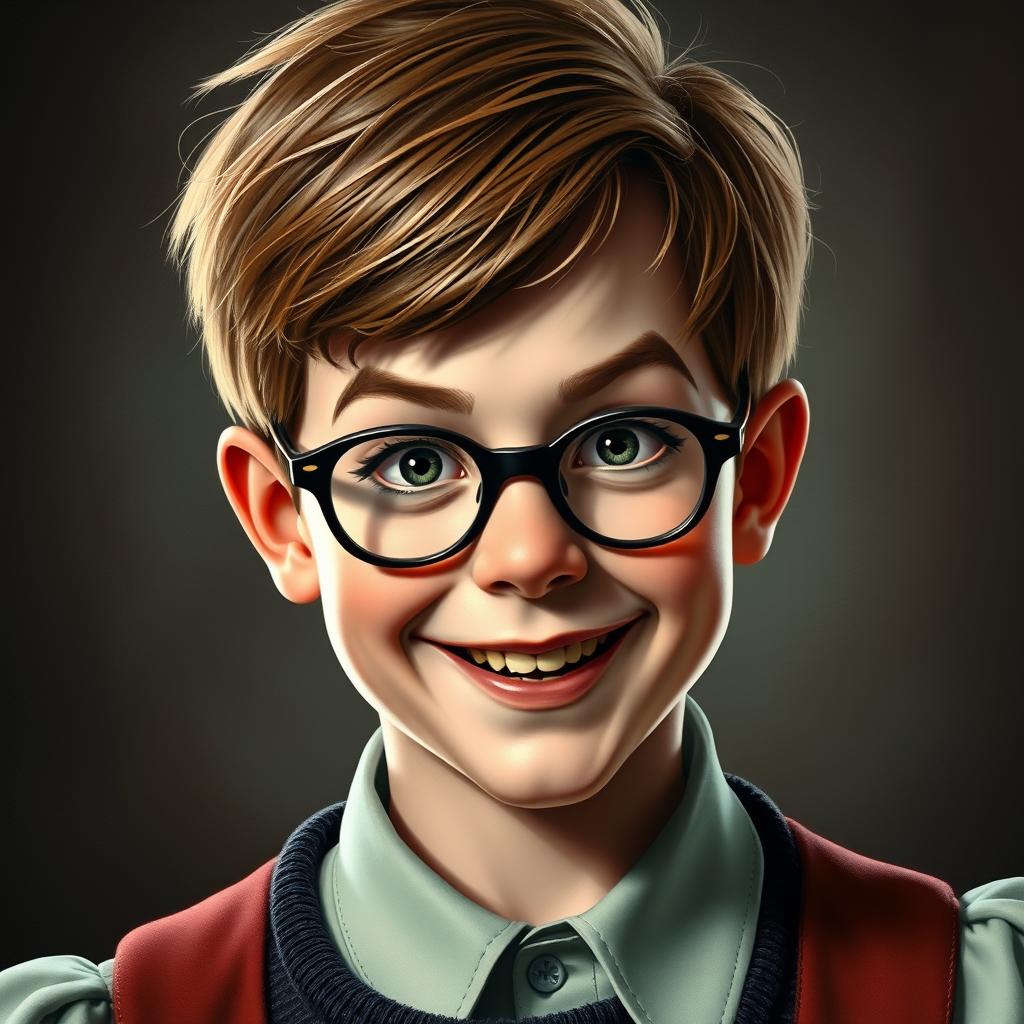
Richie Tozier
The group’s comedian, Richie uses humor as a defense mechanism against fear. His constant jokes and impressions mask deeper insecurities. As an adult, he becomes a successful radio DJ, still using his “voices” professionally. Richie’s character explores how we use humor to cope with trauma and fear.
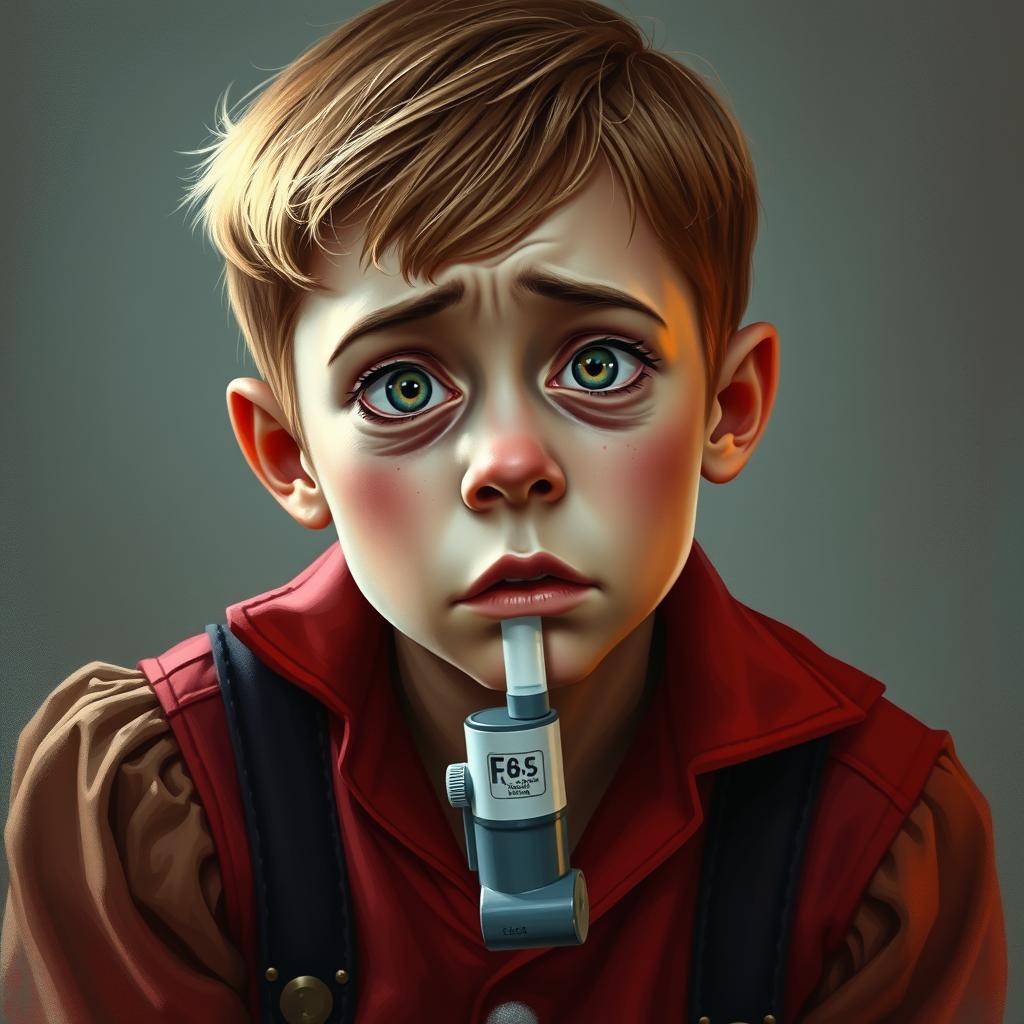
Eddie Kaspbrak
A hypochondriac with an overprotective mother, Eddie’s journey involves recognizing that his “asthma” is psychosomatic and standing up to his mother’s manipulation. As an adult, he marries a woman remarkably similar to his mother, showing how childhood patterns persist. Eddie’s character explores themes of health, dependency, and breaking free from controlling relationships.
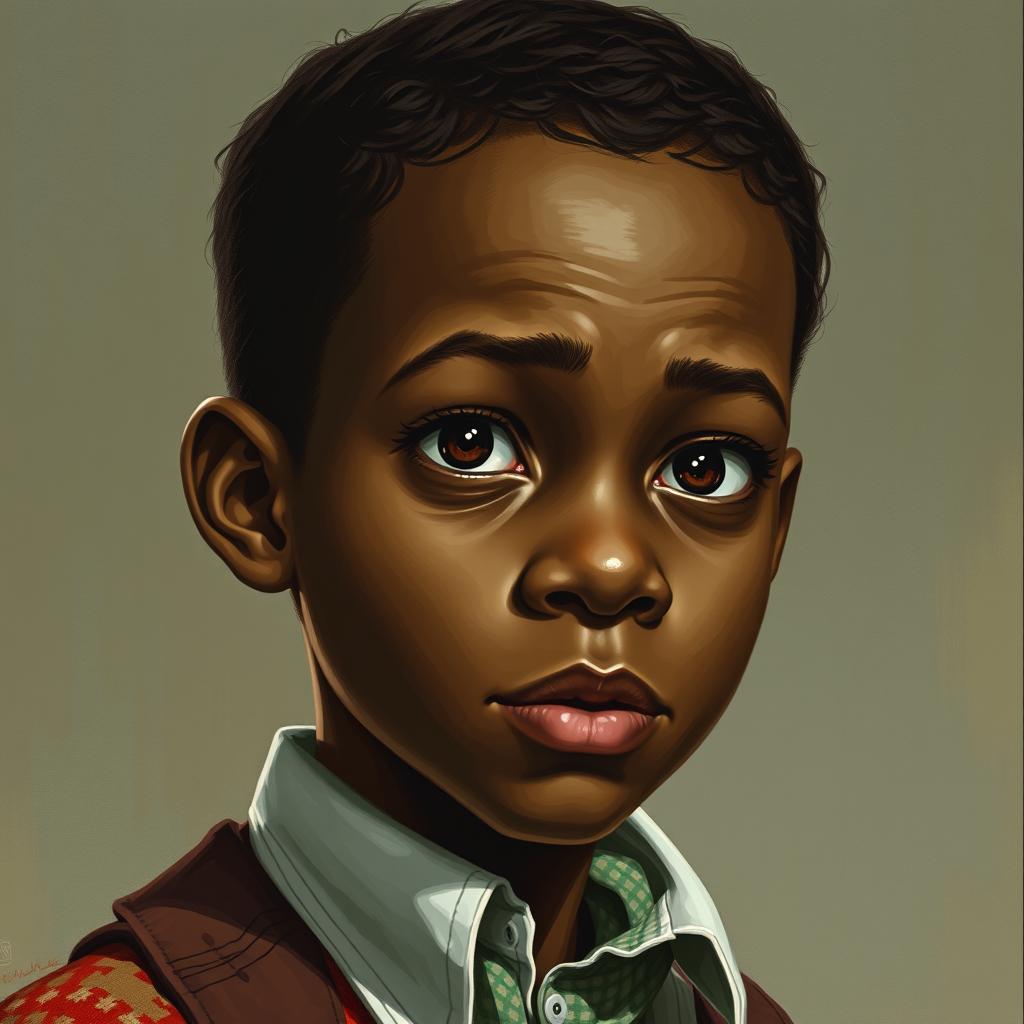
Mike Hanlon
The only African American member of the Losers’ Club, Mike faces racial prejudice in addition to IT’s terror. As the only Loser who stays in Derry, he becomes the group’s historian and the one who calls them back when IT returns. Mike’s character explores themes of racial identity, historical memory, and the burden of knowledge.
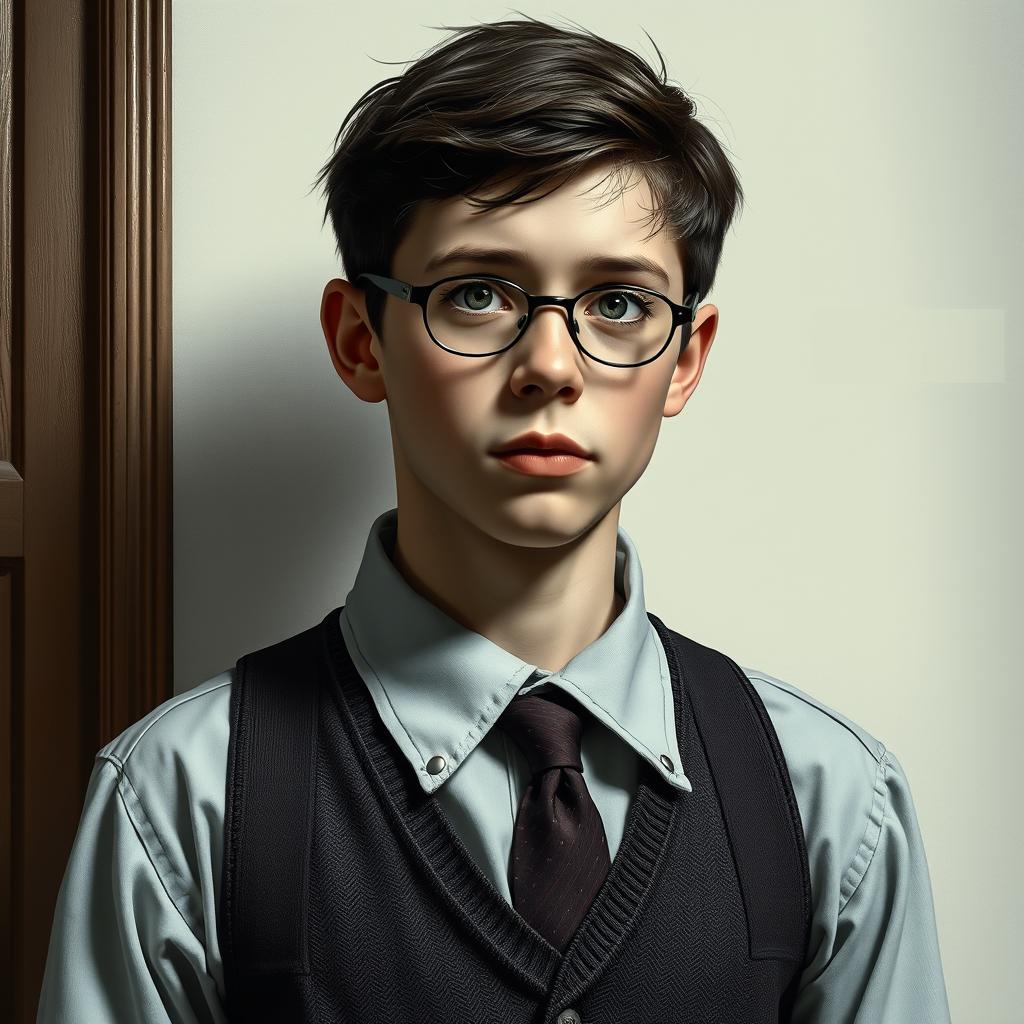
Stan Uris
The most pragmatic and skeptical of the group, Stan struggles the most with accepting the supernatural reality of IT. His Jewish identity adds another dimension to his outsider status in Derry. Stan’s tragic decision to commit suicide rather than return to Derry shows the devastating long-term effects of childhood trauma.

Pennywise the Dancing Clown
Perhaps one of the most iconic monsters in horror literature, Pennywise is the primary form of IT – an ancient cosmic entity that feeds on fear and has shaped Derry’s violent history. Pennywise’s ability to transform into whatever frightens its victims most makes it a perfect embodiment of fear itself. The character has transcended the novel to become a cultural icon of horror.

Henry Bowers
The human antagonist of the story, Henry is a violent bully who torments the Losers. His descent into madness, influenced by IT, makes him a complex villain whose cruelty stems from his own abusive upbringing. Henry represents how human evil can be as terrifying as supernatural horror.
“We lie best when we lie to ourselves.”
King’s Craft: The Writing Style of IT

Stephen King at work during the period when he wrote IT
At over 1,100 pages, IT showcases Stephen King at both his most ambitious and most indulgent. The novel’s length allows King to develop his characters and setting with extraordinary depth, but it also results in sections that some readers find excessive. Understanding King’s approach to writing IT helps appreciate the novel’s unique structure and style.
Narrative Structure and Time
Rather than telling the story chronologically, King weaves together the 1958 and 1985 timelines throughout the novel. This structure creates powerful parallels between past and present, childhood and adulthood. The narrative frequently shifts perspective among the seven main characters, giving readers intimate access to each Loser’s thoughts and experiences. This kaleidoscopic approach creates a rich, multifaceted portrait of both the characters and Derry itself.
Blending Horror with Coming-of-Age Drama
King seamlessly integrates supernatural horror with the more mundane but equally powerful dramas of childhood and adolescence. The novel’s most terrifying moments are often juxtaposed with tender explorations of friendship, first love, and the pain of growing up. This blend of genres allows King to use horror as a lens through which to examine the universal experiences of childhood and its loss.

The Barrens, a key setting in IT where the Losers’ Club finds sanctuary
Vivid Worldbuilding
Derry is not just a setting but practically a character in its own right. King creates an extraordinarily detailed portrait of the town, from its physical geography to its dark history. Through interludes that explore Derry’s past, King establishes the town as a place where evil has taken root, creating a sense that IT is as much a part of Derry as its buildings and streets. This meticulous worldbuilding makes the supernatural elements feel grounded in a tangible reality.
Language and Imagery
King’s prose in IT ranges from straightforward to richly metaphorical, depending on the scene’s requirements. His descriptions of IT’s manifestations are particularly vivid, creating unforgettable images that linger in readers’ minds. King has a remarkable ability to find horror in ordinary objects and situations – storm drains, showers, school bathrooms – making the terror feel immediate and inescapable.
“The terror, which would not end for another twenty-eight years – if it ever did end – began, so far as I know or can tell, with a boat made from a sheet of newspaper floating down a gutter swollen with rain.”
Nostalgia and Memory
King writes about childhood with a powerful sense of nostalgia that never becomes saccharine. He captures both the magic and the terror of being young, the intensity of childhood friendships, and the bittersweet process of growing up. The novel’s exploration of memory – how we remember, what we forget, and why – adds psychological depth to the horror narrative.
Legacy and Cultural Impact of IT by Stephen King

The 2017 film adaptation brought IT to a new generation of audiences
Since its publication in 1986, IT has left an indelible mark on popular culture, influencing everything from literature to film to our collective understanding of horror. Its impact extends far beyond the page, cementing Stephen King’s status as the master of horror and introducing Pennywise the Clown into the pantheon of iconic monsters.
Film Adaptations
The novel has been adapted twice for the screen. The 1990 miniseries starring Tim Curry as Pennywise became a cult classic, with Curry’s performance in particular leaving a lasting impression on a generation of viewers. More recently, the two-part film adaptation (2017 and 2019) directed by Andy Muschietti and starring Bill Skarsgård as Pennywise brought the story to a new generation, becoming a massive box office success and receiving generally positive reviews for its faithful adaptation of the source material.

Tim Curry’s portrayal of Pennywise in the 1990 miniseries became iconic
Influence on Horror Fiction
King’s novel has influenced countless horror writers who have followed in his footsteps. Its blend of supernatural terror with coming-of-age themes has become a template for many horror narratives. The novel’s exploration of childhood trauma and its lasting effects has particularly resonated with contemporary horror creators, who often cite IT as a formative influence.
Cultural References
References to IT – particularly to Pennywise and his catchphrase “We all float down here” – have permeated popular culture. From The Simpsons to Family Guy to countless internet memes, Pennywise has become shorthand for creepy clowns and childhood terror. The image of a red balloon has similarly become associated with lurking danger, showing how deeply the novel’s imagery has penetrated our collective consciousness.

The red balloon has become an instantly recognizable symbol of IT
Impact on Coulrophobia
The novel and its adaptations have been credited (or blamed) for increasing coulrophobia – the fear of clowns – in the general population. Pennywise has become the archetypal scary clown, transforming what was once seen primarily as a figure of fun into a potential figure of terror. This cultural shift has affected everything from birthday party entertainment to fast food mascots.
Critical Reception and Literary Status
Initially received as “just” a horror novel, IT has gradually gained recognition for its literary merits. Critics and scholars now regularly analyze its complex themes, psychological depth, and social commentary. While King has often been dismissed by literary establishments, IT stands as evidence of his ability to create works of genuine literary value within the horror genre.
“Fiction is the truth inside the lie.”
Critical Analysis: Strengths and Weaknesses of IT by Stephen King
Strengths
- Extraordinary character development that makes the Losers’ Club feel like real people
- Masterful creation of atmosphere and dread throughout the novel
- Seamless blending of supernatural horror with coming-of-age drama
- Rich exploration of universal themes like childhood, fear, and friendship
- Vivid worldbuilding that makes Derry feel like a real place with a dark history
- Innovative narrative structure that effectively weaves together past and present
- Creation of one of horror’s most iconic monsters in Pennywise the Clown
Weaknesses
- Excessive length with sections that could have been trimmed without losing impact
- Controversial and problematic content, particularly the infamous sewer scene
- Occasionally dated cultural references and language
- Uneven pacing, with some sections dragging while others feel rushed
- Somewhat anticlimactic final confrontation with IT compared to the build-up
- Occasional overindulgence in graphic violence and disturbing imagery
- Some secondary characters who feel underdeveloped despite the novel’s length
Addressing the Controversial Elements
No discussion of IT would be complete without acknowledging its most controversial scene – the sexual encounter involving the young Losers in the sewers after their first defeat of IT. King has stated that this scene was intended to represent the transition from childhood to adulthood and the bonding of the group, but many readers find it unnecessary and disturbing. This scene has been omitted from all screen adaptations and remains the most criticized aspect of the novel.
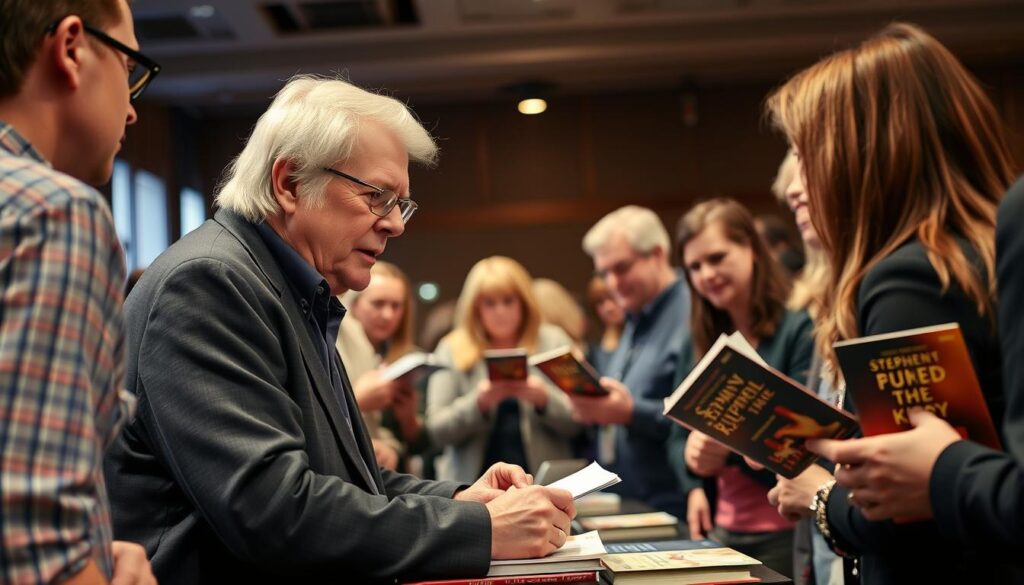
Stephen King has addressed criticisms of IT throughout his career
Other criticisms include the novel’s treatment of female characters, particularly Beverly, who is often defined by her relationships with men and subjected to various forms of abuse. While King is exploring the real horrors faced by women in a patriarchal society, some critics argue that the novel sometimes crosses the line into exploitation.
Length and Pacing
At over 1,100 pages, IT is undeniably a commitment for readers. King’s expansive style allows for deep character development and worldbuilding but also results in sections that feel unnecessarily detailed or tangential to the main plot. The novel’s pacing is uneven, with some readers finding the middle sections particularly slow before the narrative picks up again for the final confrontation.
The Cosmic Mythology
King’s explanation of IT’s origins – as an ancient cosmic entity from another dimension – strikes some readers as unnecessarily complex and somewhat at odds with the more grounded psychological horror of the rest of the novel. The “Ritual of Chüd” and the cosmic turtle Maturin represent King at his most abstract and metaphysical, elements that work better for some readers than others.
“Monsters are real, and ghosts are real too. They live inside us, and sometimes, they win.”
Enduring Strengths
Despite these criticisms, IT remains a towering achievement in horror fiction. Its exploration of childhood fears, the power of memory, and the strength found in friendship resonates deeply with readers. King’s ability to create fully realized characters and a town with its own dark personality elevates the novel beyond simple horror into a complex meditation on growing up and facing our deepest fears.
The novel’s greatest strength may be its emotional core – the bond between the seven members of the Losers’ Club and their journey from childhood to adulthood. In the midst of supernatural terror, King never loses sight of the human story at the center, creating a horror novel that is also profoundly moving.
Who Should Read IT by Stephen King?
Settling in for the epic journey through Stephen King’s IT
With its blend of horror, coming-of-age drama, and psychological depth, IT appeals to a wide range of readers, though its length and intense content mean it’s not for everyone. Here’s a guide to who might particularly enjoy this landmark novel:
Perfect For:
- Horror Enthusiasts: Those who enjoy being frightened will find plenty to appreciate in King’s masterful creation of dread and terror.
- Stephen King Fans: While accessible to newcomers, IT is particularly rewarding for those familiar with King’s other works, as it contains many of his signature themes and references to his broader fictional universe.
- Readers Who Enjoy Character-Driven Narratives: Despite being a horror novel, IT is fundamentally about its characters, making it appealing to those who value deep character development.
- Those Interested in Small-Town America: King’s detailed portrayal of Derry offers a fascinating (if dark) exploration of small-town life and history.
- Readers Who Appreciate Literary Horror: IT transcends genre conventions to explore universal themes, making it a good choice for those who enjoy horror with literary depth.
Approach With Caution:
- Younger Readers: Despite featuring child protagonists, IT contains mature themes and graphic content inappropriate for younger readers.
- Those Sensitive to Disturbing Content: The novel contains graphic violence, sexual content (including sexual abuse), and disturbing imagery that some readers may find upsetting.
- Readers Looking for a Quick Read: At over 1,100 pages, IT requires a significant time commitment.
- Those with Coulrophobia: If you already have a fear of clowns, this novel might be too intense – or it might be cathartic!
“The most important things are the hardest to say, because words diminish them.”
Relevance to Modern Readers
Despite being published in 1986 and set in the 1950s and 1980s, IT remains remarkably relevant to contemporary readers. Its exploration of childhood trauma, systemic evil, and the power of collective action against forces that seem overwhelming resonates strongly in our current cultural moment. The novel’s depiction of how a town can become complicit in evil through willful blindness feels particularly pertinent in an era of increasing awareness about systemic injustice.
For modern readers, IT offers both an escape into a masterfully crafted horror story and a mirror reflecting our own societal fears and challenges. Its enduring popularity speaks to how effectively it captures universal experiences and emotions that transcend its specific historical setting.
The Reading Experience: What to Expect When Tackling IT
Preparing for the journey through Stephen King’s epic novel
Taking on a 1,100+ page novel is no small commitment. Here’s what to expect when you decide to read IT, along with some tips to enhance your reading experience:
Time Commitment
Even for fast readers, IT typically takes several weeks to complete. Rather than rushing through it, consider setting a sustainable pace – perhaps a certain number of pages or chapters per day. The novel’s episodic structure makes it well-suited to this approach.
Emotional Investment
Be prepared to become deeply invested in the characters. Many readers report feeling genuine grief when finishing the novel, not because of the ending itself but because they’ve spent so much time with the Losers’ Club that saying goodbye feels like parting with real friends.
Navigating the Structure
The novel’s nonlinear structure, jumping between 1958 and 1985, can initially be disorienting. King helpfully marks these transitions clearly, and the parallel structure eventually becomes one of the novel’s strengths, creating powerful resonances between past and present.

Marking your progress through the epic journey of IT
Handling the Disturbing Content
Be aware that IT contains scenes of extreme violence, abuse, and disturbing imagery. Some readers find it helpful to take breaks during particularly intense sections or to read the novel during daylight hours rather than before bed.
Appreciating the Details
King’s rich worldbuilding rewards attentive reading. Notice how he weaves Derry’s history throughout the narrative, how patterns repeat across generations, and how seemingly minor details often prove significant later in the story.
“You can’t be careful on a skateboard.”
Reading Companions
Some readers enjoy discussing the novel as they go, either with friends or in online communities. Given the novel’s complexity and emotional impact, having others to share the experience with can enhance your appreciation of the story.
After You Finish
Many readers find that IT stays with them long after they’ve turned the final page. The novel’s themes and images have a way of resurfacing in unexpected moments, a testament to King’s skill at tapping into universal fears and experiences. After finishing, you might enjoy exploring the film adaptations to see different interpretations of the story, or diving into critical analyses that can deepen your understanding of the novel’s themes and techniques.
If You Enjoyed IT: Similar Books to Explore
If you’ve finished IT and are looking for similar reading experiences, here are some recommendations that capture various aspects of what makes King’s novel so compelling:
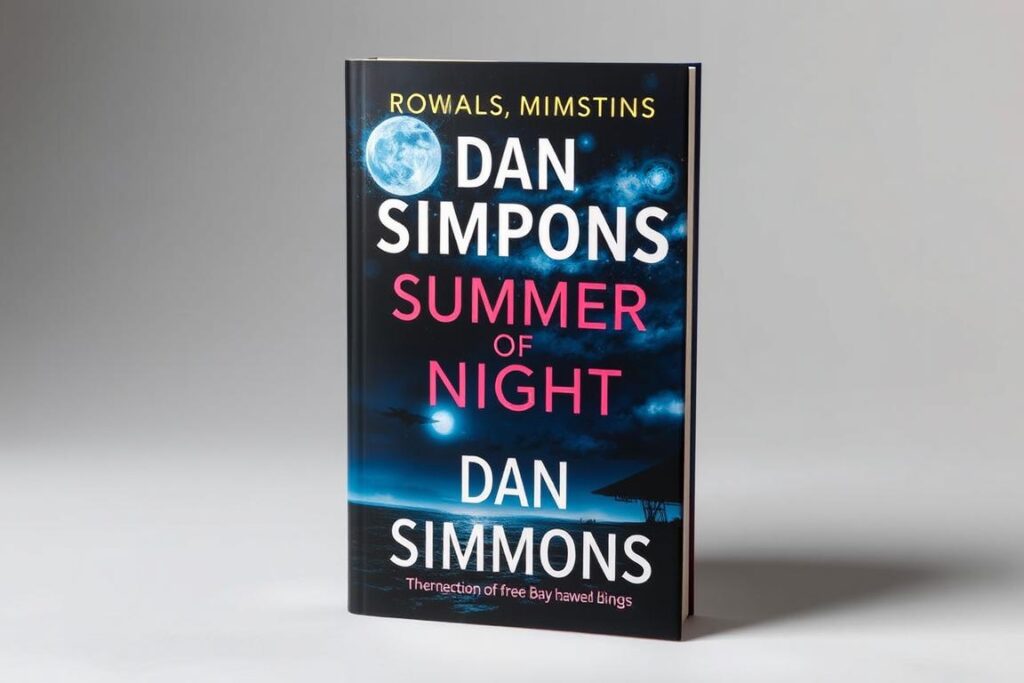
Summer of Night by Dan Simmons
Perhaps the novel most frequently compared to IT, Simmons’ story follows a group of children in a small Illinois town who confront an ancient evil during the summer of 1960. With its similar themes of childhood friendship and supernatural horror, it’s a natural next read for fans of IT.
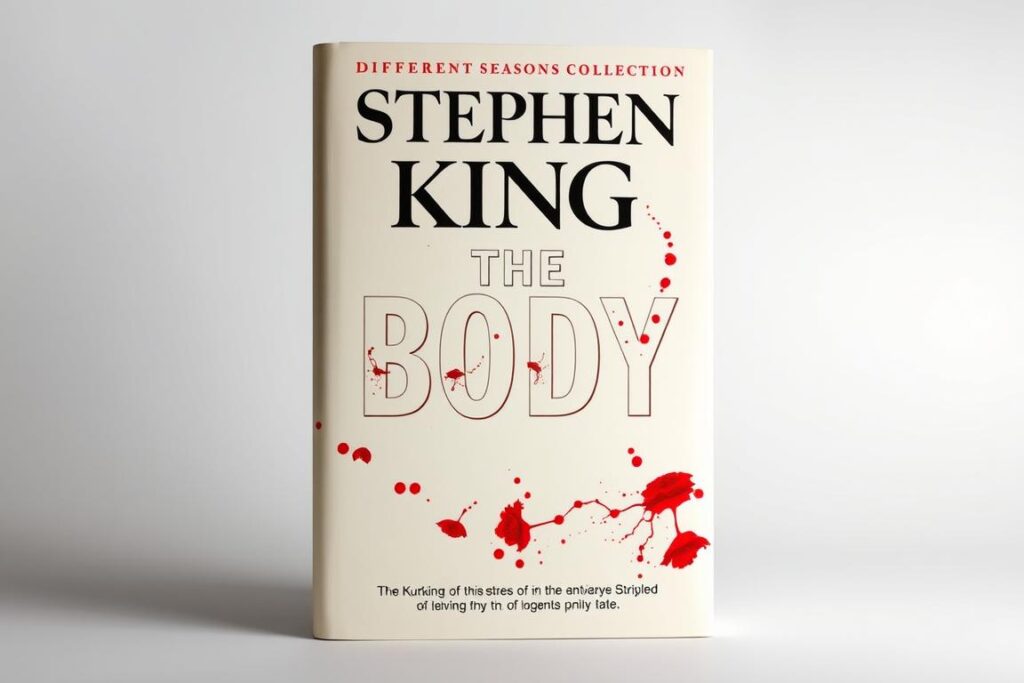
The Body by Stephen King
This novella (found in King’s collection Different Seasons and adapted into the film Stand By Me) shares IT‘s focus on childhood friendship and coming-of-age themes, though without the supernatural elements. It’s a more concentrated dose of King’s skill at capturing the essence of childhood.
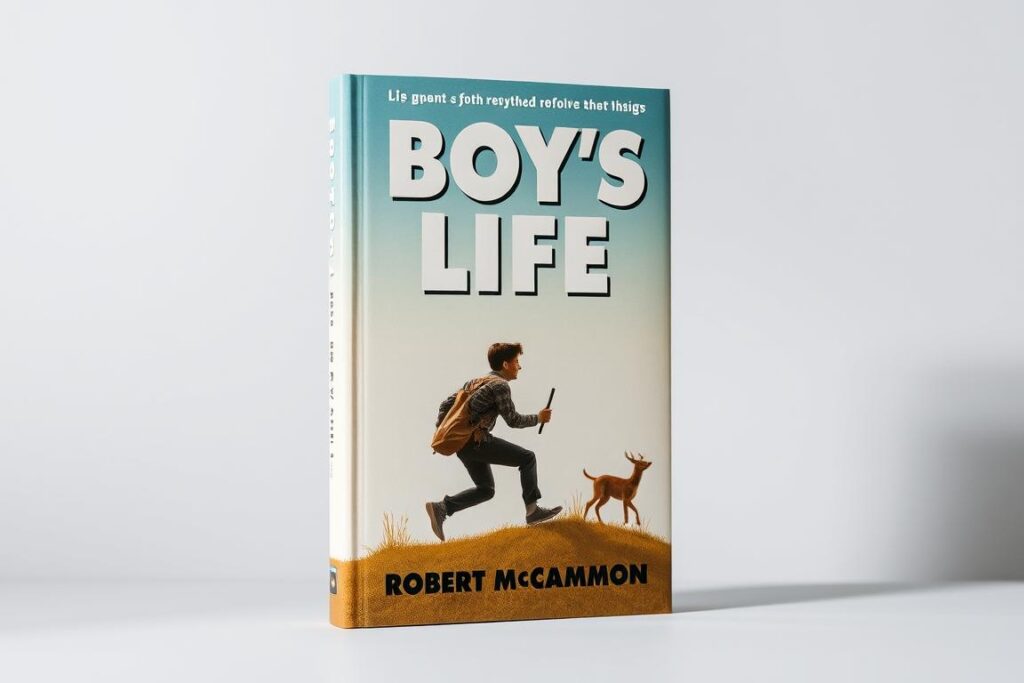
Boy’s Life by Robert McCammon
Set in a small Alabama town in the 1960s, this novel blends coming-of-age drama with elements of mystery and the supernatural. Like IT, it explores the magic of childhood and the darker undercurrents of small-town life.
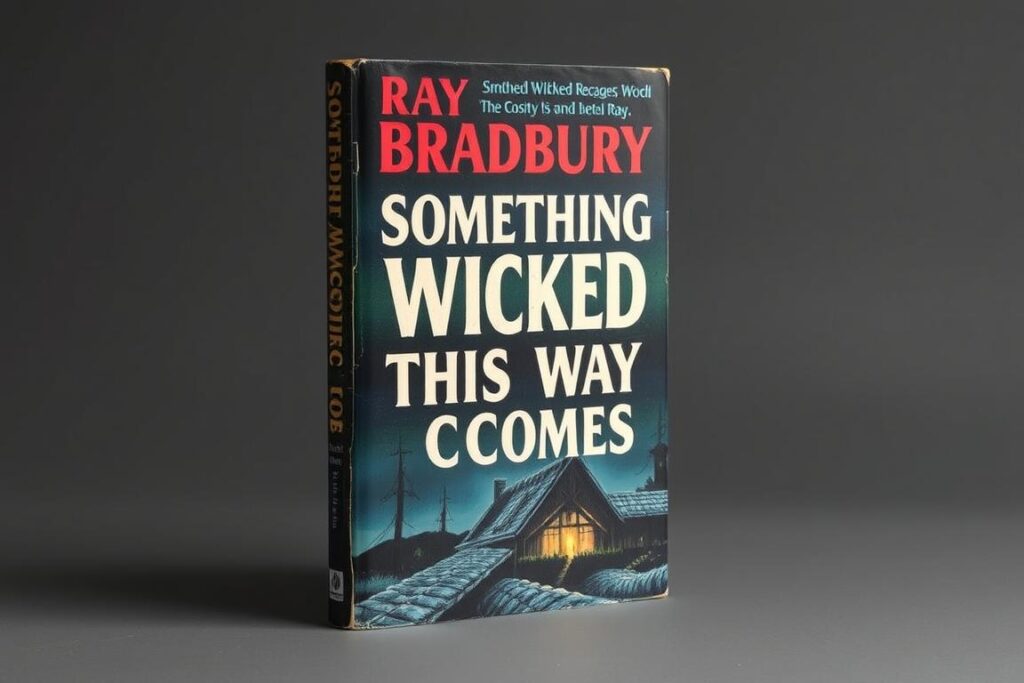
Something Wicked This Way Comes by Ray Bradbury
Bradbury’s classic novel about a sinister carnival that arrives in a small town shares IT‘s exploration of childhood fears and small-town secrets. Its lyrical prose and autumnal atmosphere make it a perfect complement to King’s summer-set story.
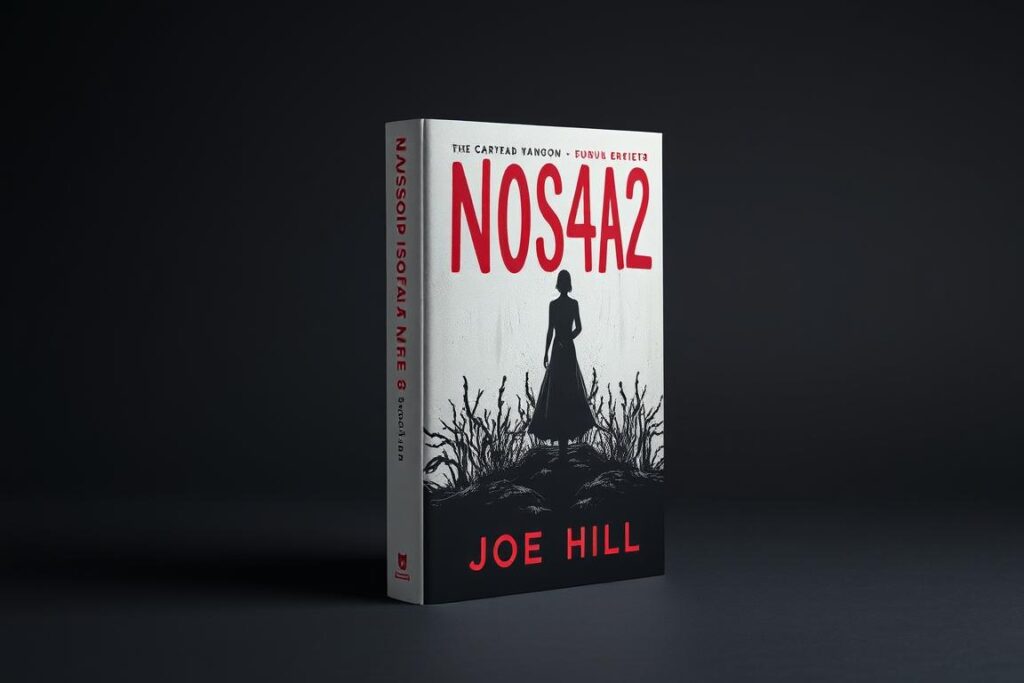
NOS4A2 by Joe Hill
Written by Stephen King’s son, this novel shares many thematic similarities with IT, including childhood trauma, supernatural evil, and the power of imagination. Hill’s writing style will feel familiar to King fans while offering its own distinct voice.
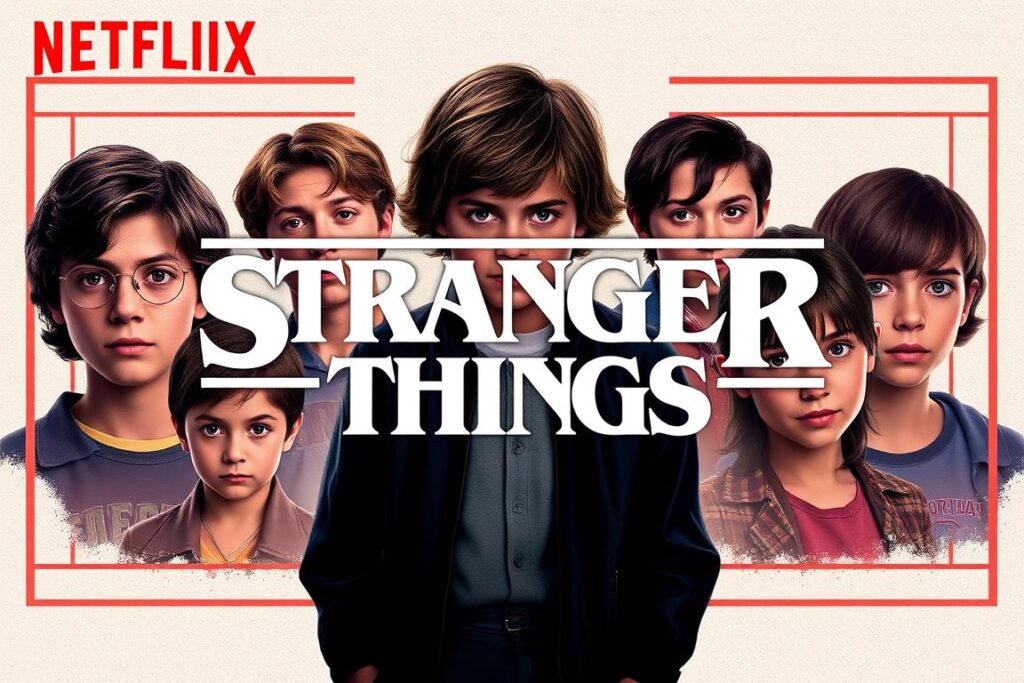
Stranger Things (TV Series)
While not a book, this Netflix series is heavily influenced by IT and other King works. Its story of children facing supernatural threats in a small town during the 1980s will feel familiar to IT readers, making it a perfect visual companion to the novel.
Ready to Experience IT for Yourself?
Stephen King’s epic novel continues to captivate readers decades after its publication. Whether you’re a horror fan, a coming-of-age story enthusiast, or simply looking for your next immersive reading experience, IT delivers an unforgettable journey into the heart of childhood fears and the power of friendship.
Final Thoughts: The Enduring Power of IT by Stephen King

The haunting imagery of IT continues to resonate with readers decades after publication
More than 35 years after its publication, IT remains one of Stephen King’s most beloved and discussed works. Its blend of supernatural horror, coming-of-age drama, and exploration of universal themes has secured its place not just in the horror canon but in American literature more broadly. The novel’s cultural impact – from making clowns objects of fear to influencing generations of horror creators – speaks to its resonance with our collective anxieties and experiences.
What makes IT truly special is how it uses horror as a vehicle to explore deeper truths about childhood, memory, friendship, and the cyclical nature of both personal and societal trauma. Behind the supernatural terror of Pennywise lies a profound meditation on how we face our fears, how we carry our childhood experiences into adulthood, and how we can find strength in unity against seemingly insurmountable evils.
For those willing to commit to its considerable length and confront its sometimes disturbing content, IT offers a reading experience of extraordinary depth and emotional impact. Few novels manage to be simultaneously so terrifying and so moving, so fantastical and so truthful about human experience. In the end, IT is not just a horror story but a powerful affirmation of the bonds that connect us and the courage we can find when we stand together against the darkness.
“Maybe there aren’t any such things as good friends or bad friends – maybe there are just friends, people who stand by you when you’re hurt and who help you feel not so lonely. Maybe they’re always worth being scared for, and hoping for, and living for. Maybe worth dying for too, if that’s what has to be. No good friends. No bad friends. Only people you want, need to be with; people who build their houses in your heart.”
As Bill Denbrough might say, that’s all. That’s everything. We all float down here, and when you’re done reading IT, you’ll float too.