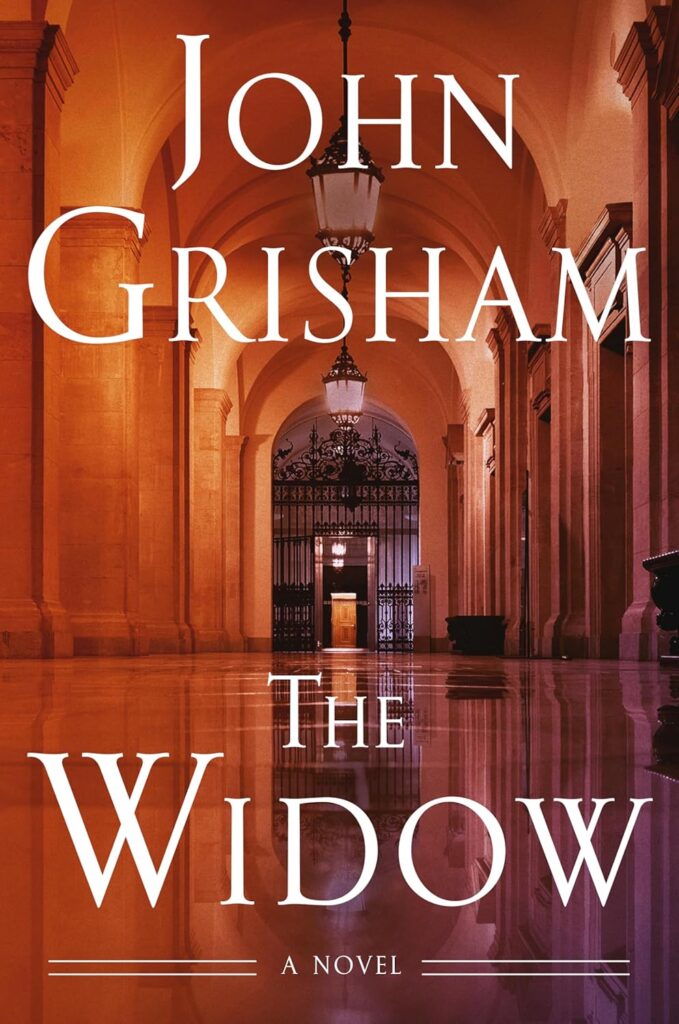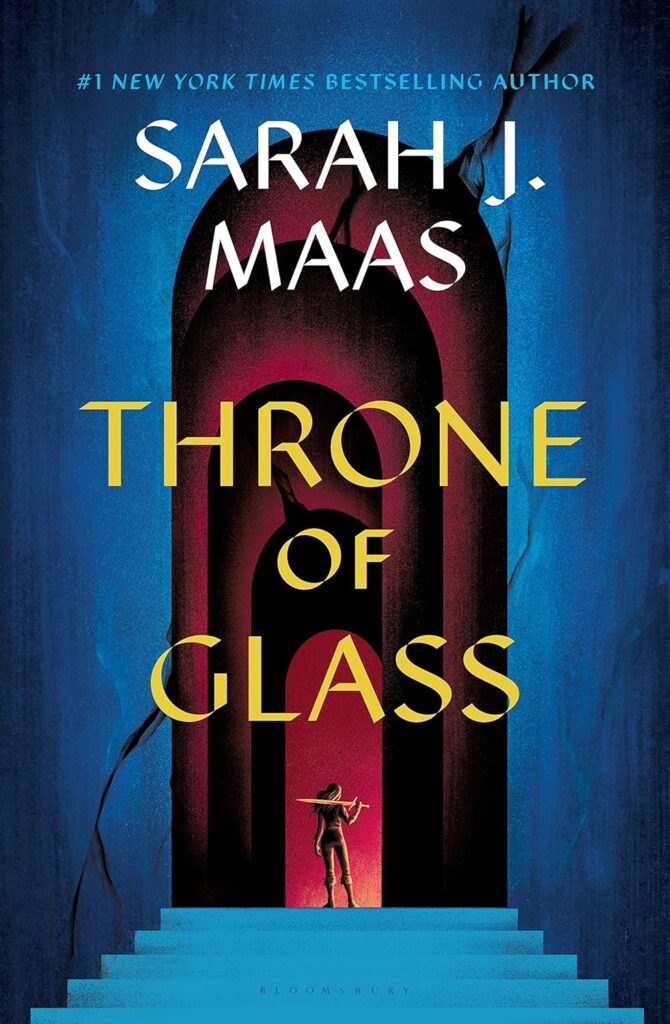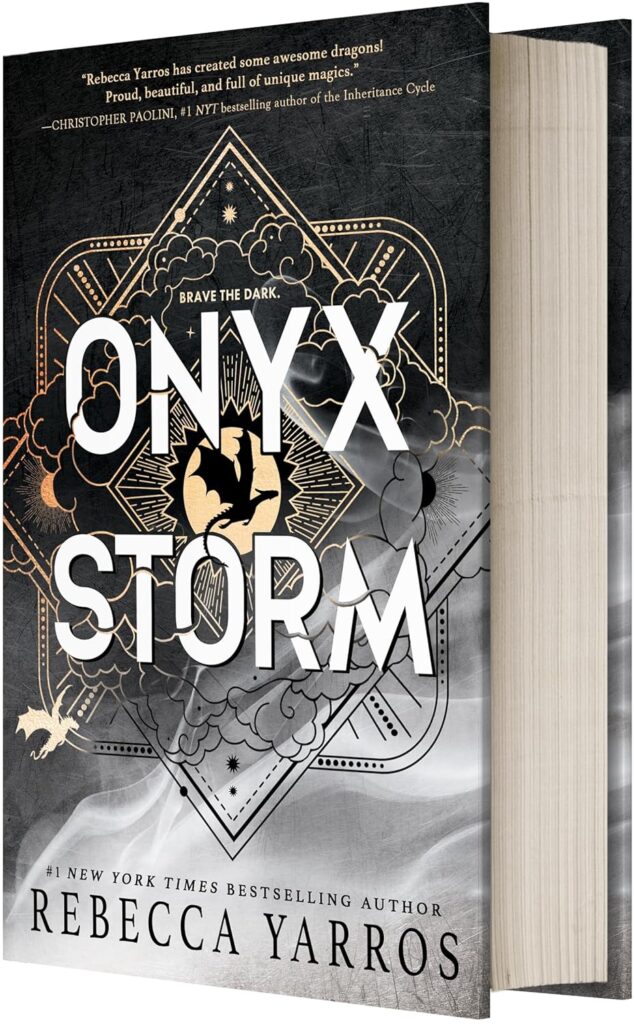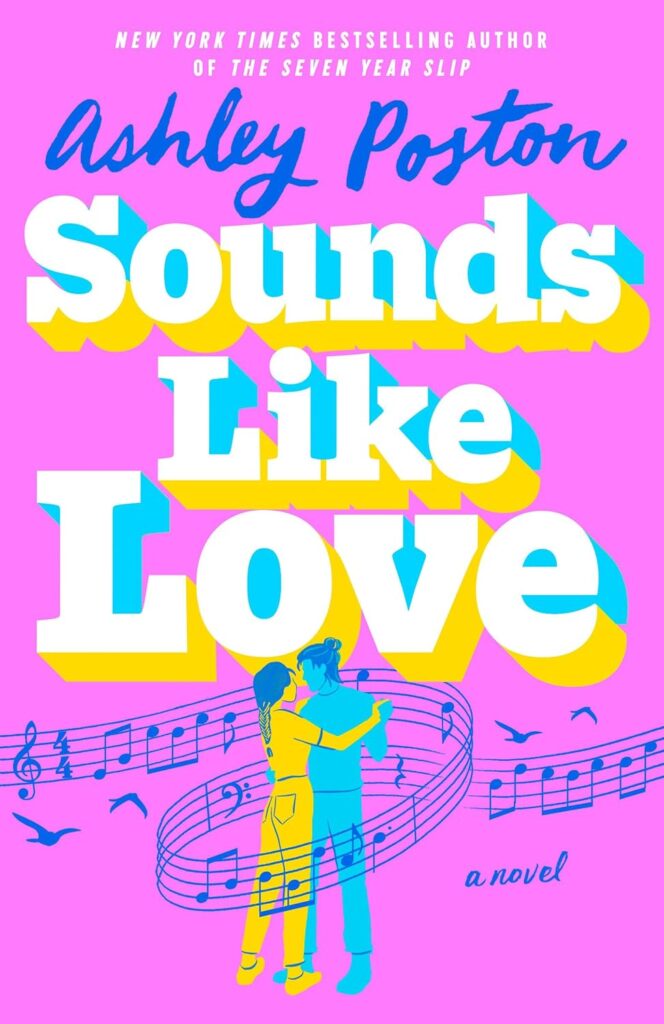
Some evenings I want dragons and battles, a map at the front of the book, and the sense that the whole world might break. Other nights, I just want a warm drink, a small problem, and a cast of people who basically like each other.
That gap between moods is where cozy fantasy vs high fantasy really lives. The labels can feel confusing at first, especially if you are coming back to fantasy after a few years or you keep seeing these terms on BookTok. Under the buzz, though, they point to something simple: how a story feels while you read it.
This guide walks through what each style usually offers, where they overlap, and how to pick the right kind of magic for the week you are having.
What People Mean By “Cozy Fantasy”
When I think of cozy fantasy, I picture a small setting, a tight circle of people, and problems that feel real but not crushing. The tension is there, yet the book holds you gently.
Common traits show up again and again:
- Low to medium stakes: Someone might lose a job, a home, or a friendship, but probably not the entire continent.
- Warm relationships: Found family, slow-build friendships, soft romance, community spaces that feel safe.
- Comfort settings: Cafés, bookshops, greenhouses, small towns, or magical inns.
- Sensory detail: Food, tea, plants, cozy clothes, small rituals.
Cozy fantasy still has a plot. Things happen, choices matter, and there are consequences. The difference is that the story centers care, healing, and small acts of courage instead of war councils and sweeping prophecy.
If you want a taste of this, you can look at a story focused on magic, redemption, and even sentient plants. A good example on that front is The Enchanted Greenhouse, which I wrote about in more detail in The Enchanted Greenhouse review. It shows how a book can feel gentle and warm while still moving forward with purpose.
Cozy fantasy is perfect for tired brains, sick days, and evenings when real life already feels like a boss battle.
What Makes A Story “High Fantasy”
High fantasy, in the classic sense, works on a bigger canvas. The story usually takes place in a fully invented world, with its own history, magic, and rules. When you open the book, you leave our world behind.
High fantasy often includes:
- Large scale stakes: Kingdoms, empires, or whole worlds at risk.
- Deep lore: Myths, ancient wars, gods, magic systems, old grudges.
- Multiple threads: Several points of view, intersecting plots, long timelines.
- Formal roles: Kings, chosen heroes, generals, mages, religious orders.
There is a common myth that high fantasy always means grim, bloody, or hopeless. That style exists, and readers use words like dark or grimdark for it, but it is only one slice of the field.
Plenty of high fantasy stories are hopeful. They can be sweeping and epic, but still care about love, loyalty, and joy. A final battle can stand side by side with small campfire scenes and private jokes between characters.
High fantasy tends to ask for more attention and more patience. The payoff, if you are in the right mood, is that deep feeling of having lived in another world for a while.
Cozy Fantasy vs High Fantasy: Core Differences At A Glance
Most readers do not sit with a checklist in hand. You feel the difference in your body. Still, it helps to see the main contrasts laid out.
| Aspect | Cozy fantasy | High fantasy |
|---|---|---|
| Scope | Local, one town or small circle | Wide, kingdoms or continents |
| Stakes | Personal, community level | Global or cosmic level |
| Pace | Gentle, steady, often shorter | Broader, can be longer and more complex |
| Mood | Comforting, hopeful, low stress | Intense, sweeping, more emotional highs |
| Focus | Relationships, daily life with magic | History, power struggles, large conflicts |
| Setting style | Often one main cozy location | Many countries, cultures, and travel |
A few quick signposts can help when you stand in front of your shelves and feel stuck:
- If the cover promises tea, baking, or a shop front, odds are good it leans cozy.
- If the book opens with a map and a royal family tree, you are likely in high fantasy land.
- If the first chapter shows someone quitting a job or making soup, cozy is winning.
- If it starts at a battlefield, a throne room, or a prophecy, high fantasy is probably the frame.
None of this is a hard rule. They are patterns that help you guess the reading experience you are signing up for.
Where They Overlap And Why The Lines Blur
Genres like to blur at the edges. That is part of the fun.
You can have a book that starts cozy, maybe in a quiet inn or a greenhouse, then slowly opens into a wider conflict. You can also find high fantasy where the fate of the world sits side by side with warm found family, shared meals, and private jokes.
A few common overlaps:
- Found family appears in both.
- Magic systems can be soft and quiet or very technical in either style.
- Slow burn romance shows up in cozy corners and in long epics.
Two myths tend to confuse new readers:
- Cozy fantasy does not mean “no plot”. It often has steady, character-driven plots where small choices add up.
- High fantasy does not have to be misery on repeat. There is room for beauty, humor, and kindness even when the stakes reach the sky.
In 2025, the rise of comfort-centered books has been clear, especially in summer reading lists. If you enjoy seeing how cozy titles sit beside other genres, the Best books for this summer guide takes a wider look at why comfort reads have so much pull right now.
Genres shift over time, and writers pull from both sides more and more. That is good news for us as readers, because it means more books that fit very specific moods.
How To Match Your Mood To Your Fantasy Read
When I stand in front of my TBR stack, I do not ask what is most important. I ask what I can handle tonight.
A few questions help me choose between cozy fantasy vs high fantasy in a way that feels kind to my brain:
- How much stress can I hold right now?
If the answer is “not much”, I go cozy. I pick books that promise comfort, healing, and local stakes. - How much focus do I have?
If I can track several timelines and cultures, I reach for high fantasy. If my mind feels scattered, I choose a simpler scope with fewer points of view. - What kind of payoff do I want?
Cozy often gives emotional closure, personal growth, and restored connections. High fantasy often gives large wins or losses, big speeches, and the sense of history turning.
You can even pair them. Many readers keep a high fantasy epic and a cozy fantasy on the go at the same time, then move between them based on energy and mood.
Reading Scenarios And What Fits Best
To make this even more concrete, here are a few common reading moments and what tends to work well.
Long weekend with no plans
This is prime high fantasy time. You can sink into a map, learn the magic system, and keep track of a big cast because you are not grabbing five minutes here and there.
Busy workweek with a tired brain
Cozy fantasy shines here. Shorter chapters, softer stakes, and familiar rhythms help you wind down without feeling bored or lost.
Reading slump
Sometimes the answer is not to push harder. A calm, warm story with low pressure can remind you that reading can feel good again.
Travel days or commuting
Cozy or mid-scale fantasy often works better than very dense epics, since interruptions will happen. Stories that center a café, small inn, or shop can feel like a kind of portable home.
You crave catharsis
If you want to cry, cheer, or feel like you have crossed a mountain with the characters, pick high fantasy that leans hopeful. The emotional payoff can be huge once you reach the last page.
None of these are rules. They are small tools you can use when your brain says, “I want magic, but I do not know what kind.”
Conclusion: Let Your Reading Mood Be The Map
At the heart of it, cozy fantasy vs high fantasy is not a fight. It is a choice about how you want to feel while you read.
Cozy fantasy offers comfort, warmth, and the safety of smaller worlds where kindness matters. High fantasy offers scale, depth, and the sense that you watched history turn in front of you. Both can be hopeful, both can carry stakes, and both can stay with you for years.
Next time you reach for a new book, pause for a moment and ask what kind of weight your heart can carry today. Then let that answer guide your hand along the shelf.