
Some years, my reading life felt like a shuffled deck. I would grab whatever book came to hand, jump between genres without thinking, then wonder in December why my brain felt scattered and my TBR had grown instead of shrunk.
Planning did not fix everything, but a simple yearly reading plan gave my reading a backbone. Not a strict challenge, more like a flexible map that let me wander, then find my way back.
This guide walks through how to build a genre based plan you can actually keep, how to stay flexible when your mood changes, and how to use printable templates so your plan lives somewhere more solid than your browser history.
Why Plan Your Reading by Genre At All?
Planning by genre is less about control and more about balance.
If you are like me, you probably have patterns you slide into. Three thrillers in a row. Only fantasy in the winter. No nonfiction unless someone assigns it. A yearly reading plan by genre helps you:
- Spread your favorite genres through the year, so nothing gets crowded out
- Mix growth reads with comfort reads, so you do not burn out
- Make small, clear decisions in advance, so you avoid decision fatigue later
Instead of setting a huge goal like “read 60 books,” you set gentler, clearer intentions such as “each month, read 1 comfort genre, 1 stretch genre.” The number can change. The mix can change. The habit stays.
If you like curated lists, you can pair your plan with a guide like a 2025 must-read book list and pull genre ideas from there.
Step 1: Decide Your Core Genres For The Year

Photo by cottonbro studio
I like to think of genres in three buckets: comfort, stretch, and wildcard.
Comfort genres are the ones you reach for when you are tired. They refill you.
Examples: romance, cozy mystery, YA fantasy, contemporary fiction.
Stretch genres ask more of you. They might be dense, emotional, or outside your usual shelf.
Examples: literary fiction, history, philosophy, serious nonfiction.
Wildcard genres are there to surprise you. You do not promise to read a lot of them, just to try.
Examples: poetry, graphic novels, essays, sci fi if you never touch sci fi.
Pick 4 to 7 genres you want in your year. For example:
- Fantasy
- Romance
- Mystery or thriller
- Memoir or biography
- Self help or personal growth
- Literary fiction
- Poetry
You are not marrying these. You are just saying, “These are the flavors I want in my year.”
Step 2: Build A Flexible Monthly Genre Mix
Instead of assigning a specific book to every week, build a simple monthly mix. It keeps things light and gives your mood some room.
Here is one possible pattern:
- 1 comfort genre
- 1 stretch genre
- 1 wildcard or mood pick
Sample Yearly Reading Plan: Month By Month
Think of this as a menu, not a contract. You can swap months, repeat genres, or skip a slot without guilt.
Example mix for a 12 month year:
| Month | Primary Genres | Notes |
|---|---|---|
| January | Fantasy + Self help | Fresh start energy, hope plus structure |
| February | Romance + Mystery | Cozy, slightly dramatic, good for shorter days |
| March | Literary fiction + Memoir | Deeper focus as routines settle back in |
| April | Historical fiction + Poetry | Slow reading, reflection, soft reset |
| May | Contemporary fiction + Essays | Great for busy weeks and short reading bursts |
| June | Fantasy + Nonfiction (interest) | Summer escape plus curiosity project |
| July | Romance + Thriller | Beach brain, light plus page turning |
| August | YA fantasy + Personal growth | Back to school mood, even if you are not in school |
| September | Mystery + Literary fiction | Crisp weather, slightly moodier reads |
| October | Horror or Gothic + Graphic novel | Seasonal, playful, and visual |
| November | Memoir + Cozy mystery | Reflective, warm, good for travel |
| December | Comfort re-reads + Short stories | Low pressure, flexible when life gets busy |
Your own table might look very different. The main idea is simple: each month has two or three genre anchors, so you always know where to start.
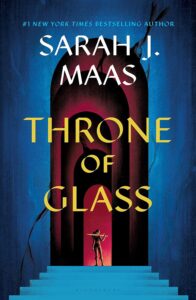
If you love series, you can also pencil in a specific one, like building a Throne of Glass reading order into your fantasy months.
Step 3: Make Your Yearly Overview Template
A yearly reading plan becomes real when you can see the whole year at once.
A clean yearly overview page might look like this:
- A 4 by 3 grid, one box for each month
- At the top of each box, the month name
- Under that, 2 or 3 genre slots, with space to write titles later
- A small checkbox row at the bottom: “Comfort, Stretch, Wildcard”
You print this on a single page and keep it at the front of your planner or in a folder by your reading chair. When you look at the year all together, you can see patterns. Maybe you stacked all the heavy books in the first half. Maybe there is no poetry anywhere. This is the time to adjust.
Step 4: Use A Monthly Genre Planner Page
The yearly view is the map. The monthly planner is where the real choices live.
A good monthly genre planner page does not need to be fancy. Aim for clear and calm.
Here is a simple layout that works well:
- Month name at the top, with a small note space for your theme
- Example: “January, Hope and Habits” or “June, Escape and Curiosity”
- A two column list
- Left: “Genre”
- Right: “Planned Titles”
- Space for 5 to 10 lines, no more, so it does not feel crowded
- A little “Maybe” section at the bottom for mood reads
You might write:
- Fantasy, The Goblin Emperor
- Self help, Atomic Habits
- Mood, Audiobook pick from library
If you change your mind, cross something out. Write a new title. The point is not perfection, the point is intention.
Step 5: Create A TBR List By Genre
Some people like one long TBR list. My brain prefers many short ones.
A TBR by genre template works like this:
- One page per genre you care about, labeled at the top
- Three columns: “Title”, “Author”, “Priority”
- Optional tiny checkbox for “Owned” so you can track budget
You might have pages for:
- Romance
- SFF (science fiction and fantasy)
- Nonfiction
- Classics
- Poetry or essays
When you set up a new month in your planner, you open the matching genre pages and choose. It turns a vague idea like “read more memoir” into three concrete options waiting for the right week.
If you already have a favorite book list for the year, you can move titles from that list into your genre TBR pages, so they have a home.
Step 6: Track Your Progress Without Pressure
Tracking can feel like judgment if it is too detailed. I like a simple reading tracker page that stays friendly.
You could use:
- A shelf of blank book icons, one per book, that you color in as you finish
- A simple list with columns: “Date finished”, “Title”, “Genre”, “Format”
- A quick feelings scale, 1 to 5 stars or a short word like “soothing”, “sharp”, “slow”
The key is to keep the tracker in the same place as your plan. When you see the genres you planned and the genres you read side by side, you get gentle feedback. Maybe your stretch genre never appears. Maybe your wildcard turned into a favorite.
This is information, not a report card. You can update your yearly reading plan halfway through the year if your tastes shift.
Step 7: Leave Room For Mood Reads And Swaps
A plan without flexibility is just a list waiting to be broken.
Here are a few ways to keep your yearly reading plan kind to future you:
- Add at least one “mood” slot to every month
- Mark 2 or 3 “swap months” in the year, where anything can move
- Write your plan in pencil if it is on paper, or use erasable pens if you like a bit of drama
- Treat DNF (did not finish) as normal, not as failure
Think of your plan like a set of guide rails on a hiking trail. You can step outside them for a bit, walk beside them, or ignore them for a week. They are there when you want to feel steady again.
If you find yourself resisting your plan, it might be a sign to add more comfort genres for a while. You can always bring the heavier reads back when life feels calmer.
Putting It All Together
A good yearly reading plan does not shout. It sits quietly in the background, holding space for your curiosity, your energy level, and the fact that some months are just hard.
You choose a small set of genres, spread them across the year, and give each month a simple mix. You build printables that feel inviting, not strict, and you treat every crossed out title as proof that you are paying attention to your real life, not just your ideal one.
If you try this, you might start with only three months planned and see how it feels. Notice which genres you reach for, which templates you actually use, and what kind of layout feels calm instead of crowded.
Most of all, keep it enjoyable. A reading plan that protects your sense of pleasure will last much longer than any challenge that runs on guilt.
What mix of genres would make your next year of reading feel rich, not rushed?